
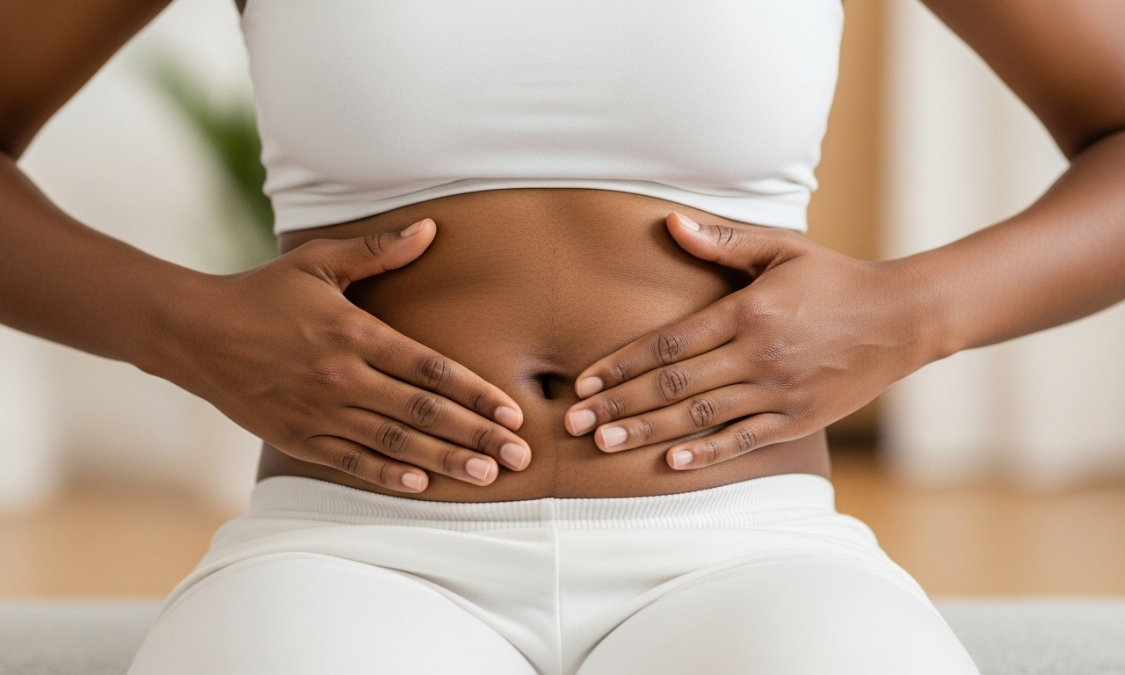
There’s significant wisdom our mothers and grandmothers carried and it is that the food we eat can heal or harm us. Today, science is catching up. We have seen over the years that wellness begins from within and the womb deserves intentional care.
At the September Obaasema Salon, guest facilitator Akua George, a consumer educator and herbalist, explained that womb wellness goes beyond fertility. Instead, it includes hormonal, emotional, and nutritional balance.
As a result, more women are embracing womb cleansing and womb healing as ways to reconnect with their bodies. These practices support the body naturally while restoring balance from within.
What Is Womb Healing?
Womb cleansing is the process of supporting the uterus through natural foods, herbs, and lifestyle habits.
It matters because it can:
- Help regulate menstrual cycles
- Support hormonal balance
- Ease symptoms of PCOS and fibroids
- Improve overall reproductive health
However, womb cleansing is not about forcing change. Instead, it helps your body function the way it naturally should.
For many African women, this means returning to indigenous foods, herbs, and self-care practices that support hormonal health (Get nutrition list for hormonal imbalance here), reduce inflammation, and cleanse the womb naturally. In addition, womb healing encourages a deeper connection with the body as it shifts the focus from “fixing” to “supporting.”
What Is Womb Cleansing and Why Does It Matter?
Womb cleansing is the process of supporting the uterus through natural foods, herbs, and lifestyle habits.
It matters because it can:
- Help regulate menstrual cycles
- Support hormonal balance
- Ease symptoms of PCOS and fibroids
- Improve overall reproductive health
However, womb cleansing is not about forcing change. Instead, it helps your body function the way it naturally should.
What Foods Clean Your Uterus Naturally?
A nourished womb is an empowered womb, therefore, food is one of the most powerful tools for womb cleansing, according to Akua George. A focus on what supports your body’s natural detoxification and hormonal balance is key, including:
Vegetables and Greens
Spinach, cocoyam leaves, garden eggs, cabbage, okro, and amaranth support detoxification. In addition, they help balance hormones naturally.
Healthy Fats
Avocado oil, olive oil, coconut oil, and baobab oil are essential for hormone production. Notably, baobab oil is rich in omega fatty acids, which nourish reproductive cells.
Plant Proteins
Beans, lentils, peas, and soy help stabilize insulin levels. As a result, they are especially helpful for managing PCOS and hormonal fluctuations.
Whole Grains
Millet, sorghum, oats, and brown rice regulate blood sugar. Over time, they support long-term hormonal balance.
Herbs for Womb Healing and Cleansing
Our ancestors relied on nature’s medicine and many of those herbs are still powerful today. Here are some of the most effective herbal allies for womb cleansing and reproductive balance, according to George:
- Hibiscus (Zobo/Sorrel/Sobolo): Supports liver detoxification and hormonal balance.
- Butterfly Pea Tea: Helps calm stress and lowers cortisol, a hormone that can disrupt menstrual balance.
- St. John’s Bush: Traditionally used for PCOS, endometriosis, and fibroids.
Tip: Herbs are best enjoyed as teas or decoctions, but always consult a professional herbalist for guidance especially if you’re on medication.
Herbal teas are only one part of womb cleansing; a womb healing massage offers another deeply restorative way to reconnect with and care for your body.
What Is a Womb Healing Massage?
A womb healing massage is a gentle abdominal therapy that stimulates blood flow to the uterus, realigns reproductive organs, and releases tension or emotional blockages stored in the pelvic area.
Often combined with herbal steaming or teas, it supports the body’s natural womb cleansing process and helps restore connection to your inner self. Many women report feeling lighter, more relaxed, and more in tune with their feminine energy after a session.
Foods and Habits to Avoid
Healing also means knowing what to limit: Refined carbs (white bread, white rice, pastries), excess sugar (soft drinks, candy, sweetened yogurt), and deep-fried foods (including fried plantain and yam) can contribute to inflammation and hormonal imbalance.
Moderation is key; your womb thrives on clean, whole, and nourishing foods.
How to Do Womb Cleansing Naturally
Womb cleansing is a lifestyle and not a one-time activity. It starts with clean eating, hydration, rest, and stress management. For African women, it can also be a form of cultural reconnection, that is, embracing traditional herbs, foods, and rituals that honor womanhood holistically.
To begin:
- Eat whole, nutrient-dense foods
- Stay hydrated daily
- Manage stress through rest and movement
- Drink herbal teas regularly
In addition, simple habits like walking can support detoxification and hormone balance.
At Obaasema, we believe womb wellness is not a trend but rather a return to self.
It’s also a reminder that healing isn’t foreign but deeply rooted in our heritage.
So, whether you’re managing PCOS, supporting fertility, or simply seeking balance, remember this: Your womb is a power source to nurture and not a burden to fix.
This article is for information purposes only and must not be substituted for professional medical advice.
Womb Cleansing FAQs
Womb cleansing is the use of natural foods, herbs, and healthy habits to support the uterus and improve hormonal balance.
You can cleanse your womb naturally by eating whole foods, drinking herbal teas, staying hydrated, managing stress, and avoiding processed foods.
Leafy greens, whole grains, plant proteins, and healthy fats help support the body’s natural detox processes and improve womb health.
Womb cleansing can support hormonal balance, which may help manage PCOS symptoms when combined with medical guidance.
Yes, herbal teas like hibiscus and butterfly pea can support detoxification and reduce stress, which benefits hormonal health.