
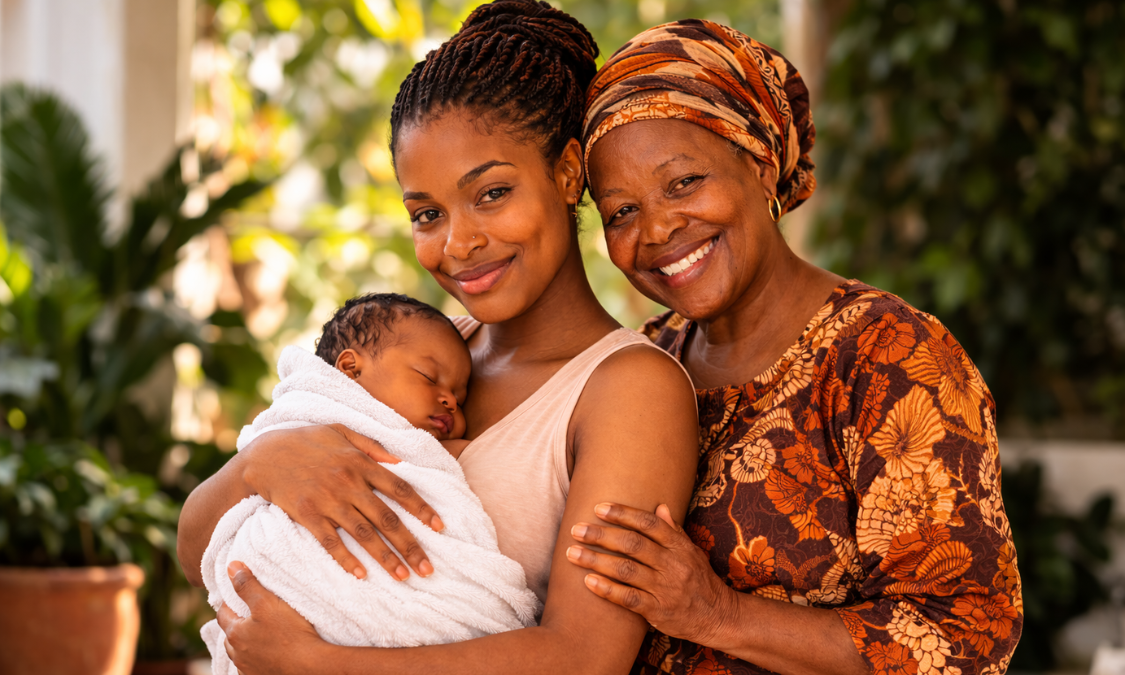
African postpartum care practices have supported new mothers long before hospitals, parenting blogs, and baby tracking apps became popular. Across the continent, families created structured systems to help women recover physically, emotionally, and socially after childbirth. These practices were not random traditions. They were practical responses to real needs such as healing, rest, nutrition, and mental stability. Even now, many women still rely on some form of African Post Care Practices, whether fully or in adapted ways.
Below are five powerful practices that African women should know about.
1. Structured Postpartum Confinement and Rest
In many African cultures, new mothers do not immediately return to normal activities. Instead, they enter a period of guided rest that can last from a few weeks to three months. In Nigeria, Ghana, Kenya, Ethiopia, and other regions, family members step in to handle cooking, cleaning, and errands.
This practice recognizes something modern society often ignores. Birth is physically demanding. The uterus needs time to contract. Hormones shift rapidly. The pelvic floor requires recovery. However, when women rush back to chores or work too soon, they increase their risk of complications like prolonged bleeding, prolapse, and chronic fatigue.
Structured rest protects the mother. It also reduces pressure to perform. As a result, she can focus on healing and bonding with her baby.
Today, many urban women feel guilty about asking for help. Still, this tradition reminds us that recovery is not weakness. It is necessary.
2. Therapeutic Hot Water Baths and Steam Treatments
Across several African communities, women use warm water therapy after childbirth. In parts of West Africa, caregivers prepare herbal-infused hot water for bathing and steaming. The mother sits over the steam or bathes in the water regularly during her recovery period.
This practice serves multiple purposes. First, warmth increases blood circulation, which supports tissue repair. Second, steam may ease perineal discomfort, especially after vaginal birth. Third, the routine creates daily care moments where older women check on the mother’s physical state.
Of course, safety matters. The water must not be too hot. Clean preparation is important. However, when done properly, heat therapy can ease soreness and muscle tension.
Interestingly, modern postpartum sitz baths mirror this practice. So while the packaging has changed, the logic remains the same.
3. Nutrient-Dense Recovery Meals
Food plays a central role in African postpartum care practices. Families intentionally prepare meals that support healing and breastfeeding. These are not random dishes. They focus on warmth, protein, iron, and hydration.
For example, many cultures prioritize:
- Pepper soups made with spices believed to support circulation
- Bone broths rich in collagen and minerals
- Whole grains for sustained energy
- Leafy greens for iron and micronutrients
- Healthy fats for hormone balance
After childbirth, women lose blood. They also burn extra calories while breastfeeding. Therefore, nutrient-dense meals replenish strength and support milk production.
Unlike diet culture messaging, postpartum nutrition in African contexts focuses on nourishment, not body image. No one pressures a new mother to lose weight immediately. Instead, the focus stays on rebuilding.
4. Abdominal Binding for Core Support
Abdominal binding is another well-known practice in several African communities. Caregivers wrap cloth tightly around the mother’s midsection after birth. The goal is to provide support to abdominal muscles and help the uterus contract.
This method does not replace medical care. However, it offers structural support during a time when the core feels unstable. Many women describe the sensation as feeling held together.
Modern belly wraps now exist in hospitals and maternity stores. Still, traditional cloth binding predates those products by generations.
When done correctly and not excessively tight, binding can improve posture and reduce lower back strain. However, women with cesarean births or complications should consult a medical professional first.
5. Community-Led Emotional Support
Perhaps the most overlooked aspect of African postpartum care practices is emotional care. Childbirth affects more than the body. Hormonal changes, sleep deprivation, and identity shifts can overwhelm new mothers.
Traditionally, elderly women visit daily. They share stories. They offer reassurance. They normalize fears. Most importantly, they watch for signs of distress.
This constant presence reduces isolation. Today, many women experience postpartum depression in silence. However, in communal settings, emotional shifts rarely go unnoticed.
The support system does not always look perfect. Still, the intention remains clear. A mother should not navigate early motherhood alone.
Why These Practices Still Matter
Modern healthcare has improved maternal outcomes in many ways. Yet, medical systems often focus on the baby more than the mother after delivery. As a result, many women feel physically cleared but emotionally unsupported.
African postpartum care practices center the mother. They prioritize rest, nutrition, warmth, touch, and conversation. These are not luxuries. They are protective factors.
Of course, not every tradition suits every woman. Also, some practices require modification for safety. However, the core principles remain relevant. Women need structured rest. They need nutrient support. They need community.
So instead of dismissing these systems as outdated, we can ask better questions. What worked? How can we adapt safely? What does the modern mother actually need?
African Post Care Practices remind us that postpartum care should feel intentional and honestly, that is something worth reclaiming.
What to Know About African Post Care Practices
African Post Care Practices are traditional postpartum care methods used across African communities to support a mother’s physical recovery, emotional wellbeing, and breastfeeding after childbirth.
The duration varies by culture. However, many traditions recommend structured rest and support for several weeks to up to three months after delivery.
Yes. Many principles such as rest, nutrient-dense meals, abdominal support, and community care align with modern postpartum health recommendations.
Absolutely. In fact, many families adapt these traditions alongside hospital care. However, mothers with complications should always consult a healthcare professional first.
While they are not a medical treatment, the built-in community support within African Post Care Practices can reduce isolation and provide emotional reassurance during recovery.
This article is for information purposes only and must not be substituted for professional medical advice.
