
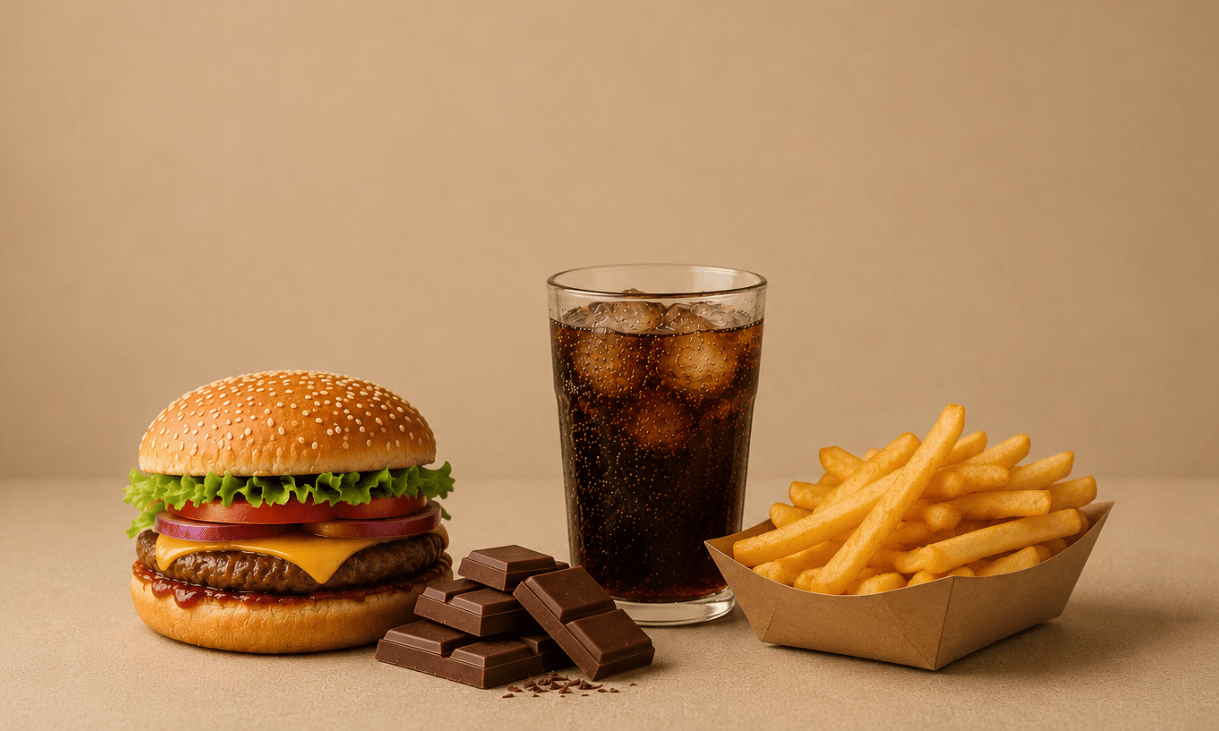
Have you ever noticed how food cravings always seem to feel urgent?
Suddenly, an ice-cold soft drink or a late-night craving for shawarma starts feeling impossible to resist.
The strange thing about food cravings is how specific they can be.You aren’t just hungry, you are craving a specific experience defined by a particular texture, temperature, or the perfect balance of salty, sweet, and crunchy.
And while cravings can sometimes feel random, they are often connected to patterns we barely notice in our everyday lives.
What Causes Food Cravings?
Food cravings are usually triggered by a mix of physical, emotional and lifestyle factors. Here are some of the most common causes:
- Stress: When stress levels rise, the body produces more cortisol, which can increase cravings for sugary, salty and high-fat foods.
- Poor sleep: Lack of sleep affects hunger hormones like ghrelin and leptin, making you feel hungrier and crave more high-calorie foods.
- Skipping meals: Long gaps between meals can cause blood sugar crashes, pushing the body to look for quick energy through sweets, soft drinks, or refined carbs.
- Dehydration: Sometimes the body confuses thirst with hunger, especially in hot weather.
- Hormonal changes: Hormones can affect appetite and cravings, particularly during menstrual cycles or periods of high stress.
- Emotional eating: Food is often tied to comfort, reward, nostalgia, or stress relief.
- Habit: The body learns patterns. If you always drink soda during stressful moments, your brain starts craving it automatically during stress.
Most times, your body is trying to solve a problem quickly but the challenge is that it usually asks for the fastest solution, not the healthiest one.
What Your Food Cravings Could Actually Mean
Let’s talk about some of the nutrients and needs the body relies on daily and the kinds of foods the body may start pushing you toward when those needs are not being properly met.
Magnesium
When the body is stressed, exhausted, or running low on magnesium, people may start craving chocolate, sugary snacks, or heavily processed comfort foods because they provide quick pleasure and fast energy.
Instead of relying only on processed sweets, foods like bananas, groundnuts, beans, pumpkin seeds and avocado can help support magnesium levels while keeping you fuller and more balanced.
Glucose and Energy
When your energy levels drop, the body naturally looks for the fastest fuel possible. That is why cravings often shift toward soft drinks, pastries, sweets, white bread or instant noodles.
The problem is that these foods spike blood sugar quickly, then crash it just as fast.
Healthier options like sweet potatoes, oats, boiled corn, plantain, fruits, garden eggs and brown rice release energy more steadily, which helps reduce constant cravings throughout the day.
Iron
Low iron levels can leave people feeling weak, tired, dizzy, or drained. In some cases, iron deficiency has even been linked to unusual cravings like chewing ice.
Foods like liver, sardines, beans, ugwu, scent leaf, and lean meats can help support healthy iron levels. Pairing them with vitamin C sources like oranges or tomatoes can also help the body absorb iron better.
Sodium and Electrolytes
After sweating heavily or spending long hours in hot weather, the body may start craving salty snacks like chips, fries, or heavily salted foods because sodium helps regulate fluid balance.
However, highly processed salty foods can sometimes worsen dehydration. Better options include coconut water, homemade soups and water-rich fruits, which help restore hydration more effectively.
Not Every Craving Is About Food
Some food cravings have nothing to do with nutrients at all.
Sometimes you crave food because you are tired, stressed, bored, anxious, or emotionally drained. After a long day, the brain naturally wants comfort and quick dopamine. That is why many people reach for fast food, sugary snacks, or soft drinks after emotionally exhausting days.
This is also why strict dieting often backfires. The more people restrict themselves completely, the stronger food cravings can become later.
Instead of judging yourself immediately, it helps to pause and ask:
- Am I actually hungry?
- Did I eat enough today?
- Am I stressed or tired?
- Do I need water?
- Will this truly satisfy me?
That small moment of awareness can completely change your relationship with food.
Check out our article on Emotional Eating.
Why Modern Foods Keep You Craving More
One reason food cravings feel more intense today is because many ultra-processed foods are designed to keep people eating. They combine sugar, salt, and fat in ways that strongly activate the brain’s reward system. As a result, the body keeps wanting more, even after eating enough.
That means food cravings are not always about “lack of discipline.” Sometimes the food itself is engineered to override natural fullness signals.
Understanding that changes the conversation around healthy eating. Instead of fighting your body constantly, you can start focusing on meals that nourish you properly, keep your energy stable, and satisfy you for longer.
This article is for information purposes only and must not be substituted for professional advice.
