
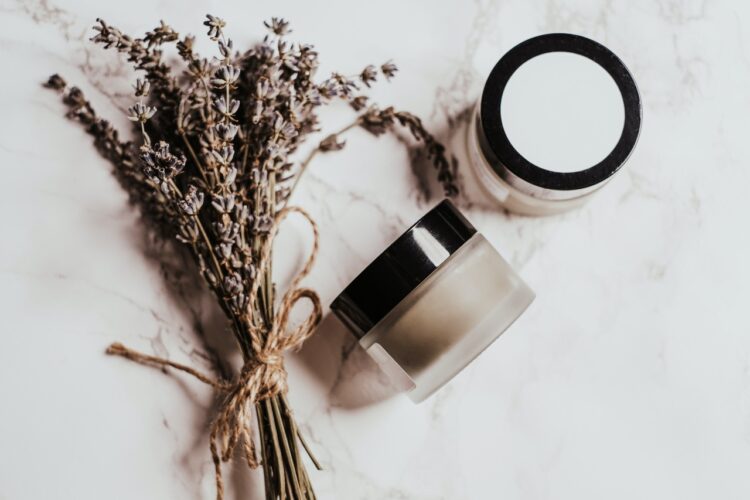
The first occurring thought at the mention of lavender is usually the color purple. Its clean, fresh smell stimulates our senses and fills the air with a pleasant, aromatic scent. Ancient Greeks and Romans treasured lavender for its cleansing features. They also used it mainly in their scented soaps and baths.
Many people believe that lavender contains aphrodisiac qualities and thus is deemed an aromatic plant of love. It is also used as a remedy to fight fatigue, alleviate respiratory problems and stomach aches.
Some medications that contained lavender as an ingredient in the early twentieth century were those for coughs, headaches, colic, hoarseness, sore joint, and toothaches. Lavender is still used throughout European homes for such purposes as whiffing lingerie drawers, and protecting clothing from insects and moths.
Healing abilities
European health professionals seem to have taken a liking to this woody evergreen shrub. They recommend it for various illnesses such as digestive disorders, earaches, sore throats, skin disorders, and respiratory diseases. Due to its soothing power, people use it to relieve muscle aches and discomfort, injuries, and spasms. It also aids in healing bruises. If you suffer from chronic fatigue it might be a relief to know that lavender reduces some of the symptoms. It alleviates the pain of migraines and soothes headaches when applied directly to the temple.
Lavender oil’s ability to cool burns and cold sores and herpes might just be one of its powerful characteristics in addition to having some ability to lessen pain associated with hemorrhoids, and relieve the itching and inflammation of jock itch (a fungal infection of the groin area).
Beauty and emotional effects
Lavender is known to balance oil production, thus, calming the skin in the process. It controls oil secretions in the scalp in addition to repairing those that are damaged and over-processed.
It still remains number one on the list of some European physicians. They recommend it for treating depression, hysteria, fear, insomnia, irritability, mood swings, and stress. There’s claim that it fortifies the nervous system. Lavender’s ability to clear thinking and reduce worrying, in addition to balancing extremes of emotion creates emotional stability.
It is also recommended that you breathe in the calming scent of lavender whenever you feel overwhelmed or frustrated to help unwind your mind and promote physical and mental well-being.
Resources:
Wilson, Roberta. Aromatherapy: Essential Oils for Vibrant Health & Beauty. New York: Penguin, 2002.
This article is for information purposes only and must not be substituted for professional medical
advice.
