
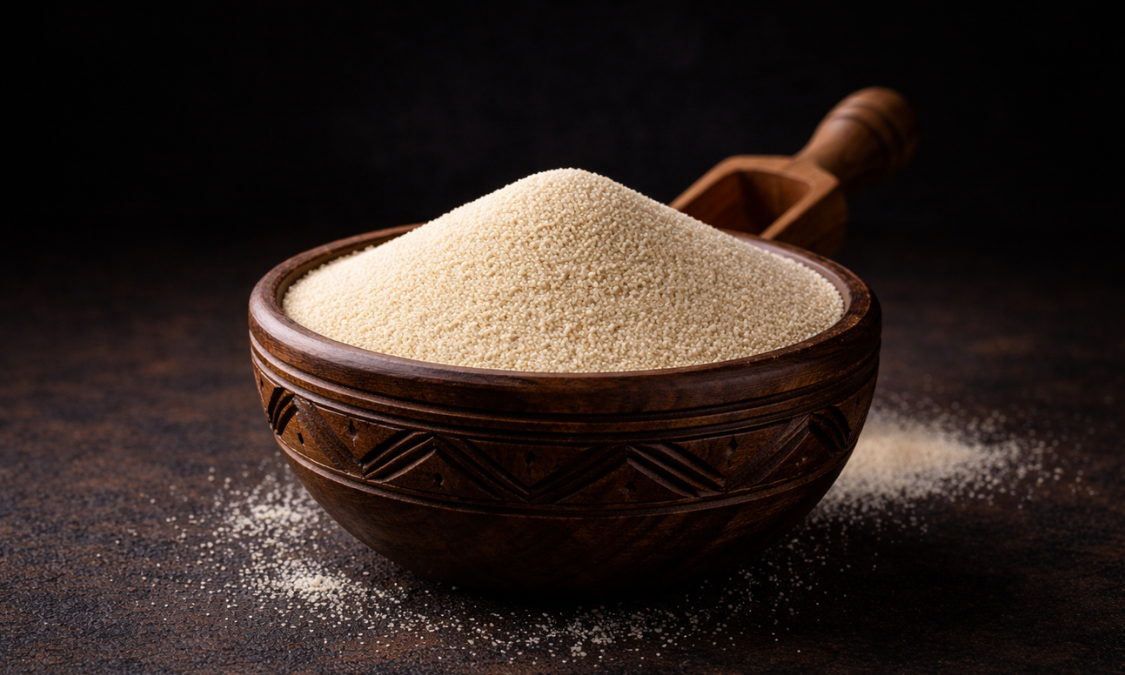
If you’ve been looking for simple ways to eat better without overhauling your entire diet, you should pay attention to fonio health benefits. Fonio is one of those foods that feels new but really isn’t. It has been grown and eaten across West Africa for centuries, yet somehow it is still not part of everyday conversations about healthy eating.
Fonio is a tiny cereal grain from the millet family, mostly grown in countries like Guinea, Mali, and Nigeria. The grains are small, almost like sand and they cook fast. Because of that, they fit easily into busy routines. You don’t need long prep times or complicated recipes to make it work.
What are Fonio Health Benefits?
When you start looking into fonio health benefits, digestion is one of the first things that stands out. Fonio is light on the stomach. So if you often feel bloated after eating heavy meals, this gives you a softer option. It digests quickly and doesn’t sit in your gut for too long.
At the same time, it is naturally gluten free. That means if you are avoiding gluten or just trying to reduce it, fonio gives you an easy alternative without feeling restricted.
Then there is blood sugar. Unlike heavily processed carbs, fonio releases energy gradually. So instead of that sharp spike and crash, you get something more stable. That matters, especially if you are trying to manage energy levels throughout the day.
Also, fonio contains fibre, iron, and essential amino acids. Fibre supports gut health and keeps things moving. Iron helps with energy and prevents fatigue. Amino acids support your body’s repair systems. So when you look at fonio health benefits, you are really looking at a grain that supports multiple systems in your body at once.
What Are Some Easy Fonio Recipes?
If you explore fonio health benefits properly, you will notice that its flexibility is a big part of the appeal. You are not stuck eating it one way, so you can ease into it based on what you already like.
- Breakfast bowl (like oats)
Cook 1 cup of fonio in 2 cups of milk or water for about 5 minutes, stirring so it stays smooth. Then add bananas, dates, honey, or peanut butter. It comes out soft, light, and easy to eat. So even if you are not a “heavy breakfast” person, this works. - Fonio pancakes
Use fonio flour instead of regular flour. Mix with eggs, milk, a little sugar, and baking powder, then cook like normal pancakes. The texture stays light, and you still get that familiar taste. Plus, it works well if you are avoiding gluten. - Savory side (like rice or couscous)
Cook fonio with a pinch of salt, then serve it with stew, vegetables, or grilled protein. It absorbs flavour easily, so it pairs well with rich sauces. Because of that, you won’t feel like you are eating something “different.” - Flatbreads or wraps
Mix fonio flour with water, a bit of oil, and salt. Roll it out and cook on a pan. It works like a quick chapati or soft wrap, so you can pair it with eggs, sauces, or spreads. - Quick savory mix
Cook fonio, then sauté onions, peppers, and vegetables in a pan. Add spices like curry or thyme, then mix in the fonio. It comes together fast, so it is perfect when you don’t have time but still want something decent.
The real takeaway from fonio health benefits is not just nutrition, it is access. This is a grain that grows here, fits our climate, and meets real needs without dependency on imported alternatives. Eating fonio is not just a health choice, it is a more grounded way to think about food systems, sustainability, and what we choose to prioritise.
