
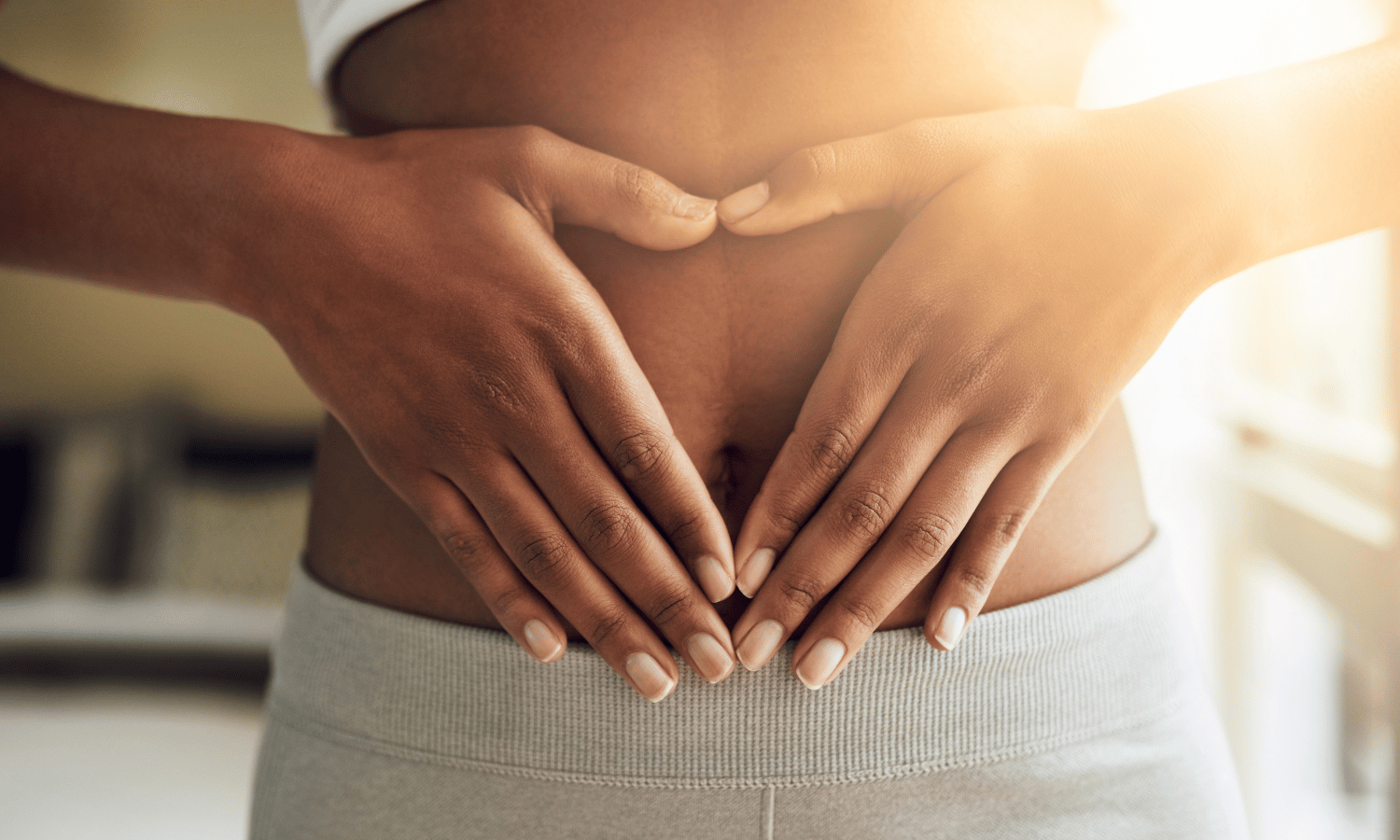
Every day, your habits shape your gut health, often without you even realising it. The food you eat, how well you sleep, your stress levels, and even how much you move all leave their mark on the community of microbes living inside you. If you’ve been wondering how to improve gut health naturally, the best place to start isn’t with another list of foods to eat or supplements to buy. It’s with understanding what your gut actually is, why it matters, and how the small choices you make every day can have a bigger impact on your overall health than you might think.
What Gut Health Means
Inside your digestive tract lives a community of trillions of microorganisms, and scientists call this community the gut microbiome. Bacteria, yeasts, and even viruses make up this ecosystem, and while that might sound alarming, most of these organisms are either harmless or genuinely essential to your wellbeing. They help break down food, produce certain vitamins, regulate your immune system, and even influence how your brain functions.
Here’s something a lot of people don’t realise. Your gut and your brain are in constant communication through what researchers call the gut brain axis. That’s why anxiety can trigger stomach cramps, and why a rough digestive week can leave you feeling foggy and low.
Good gut health, then, isn’t just about avoiding an upset stomach. It touches your mood, your energy, your skin, and your ability to fight off illness. When the balance between beneficial and harmful microbes tips in the wrong direction, a state doctors often call dysbiosis, the effects can ripple through your entire body. Understanding this connection is really the first step toward figuring out how to improve gut health naturally, because it shifts the goal from simply avoiding discomfort to actively building a stronger foundation for your whole system.
Signs Your Gut May Be Off
Before diving into solutions, it helps to know what an unhappy gut actually looks like. Some signs are obvious, while others show up in places you wouldn’t expect. Watch out for the following:
- Frequent bloating or excessive gas after meals
- Diarrhea that happens more often than it should
- Constipation or irregular bowel movements
- Persistent bad breath that brushing and mouthwash don’t fix
- Unexplained fatigue, even after a full night’s sleep
- Skin issues like acne, eczema, or unusual breakouts
- Sugar or carbohydrate cravings that feel hard to control
- Getting sick more often than usual
- Difficulty concentrating or a general sense of mental fog
If a few of these sound familiar, don’t panic. Nearly everyone experiences some of these symptoms occasionally, and that’s normal. The concern comes in when they become a regular part of your week rather than an occasional blip. That pattern is usually your gut signaling that something needs to change.
How to Improve Your Gut Health Naturally
Now for the part you actually came here for. There’s no single magic fix, but there are habits backed by real research that consistently support a balanced, thriving gut. None of these require you to overhaul your entire life overnight. Small, steady changes tend to stick far better than dramatic ones anyway.
Eat More Fibre Rich Ingredients
Fibre is essentially food for your good bacteria, and most people simply don’t get enough of it. Beans, lentils, whole grains, plantain, and leafy greens all provide the kind of fibre your microbiome depends on to thrive. As these bacteria break down fibre, they produce short chain fatty acids, compounds that reduce inflammation and strengthen the lining of your gut. So when you’re figuring out how to improve gut health naturally, increasing your fibre intake is genuinely one of the highest impact changes you can make. Try adding one extra fibre rich ingredient to a meal you already eat, rather than overhauling your whole diet at once. Your gut will adjust more comfortably that way, and you’ll avoid the bloating that comes from adding too much fibre too quickly.
Add Fermented Foods To Your Plate
Fermented foods introduce live, beneficial bacteria directly into your digestive system, and across the continent, fermentation has always been part of how we eat. Fermented grain porridges, locally cultured dairy, and fermented cassava products are all examples that many households already have in their kitchens without necessarily connecting them to gut health science. These foods carry probiotics that help diversify your microbiome, and a more diverse microbiome tends to be a more resilient one. If fermented foods are new to you, start with small servings. Your gut needs time to adjust to new bacterial populations, and easing in gently prevents the discomfort that can come from doing too much too soon.
Feed Your Gut With Prebiotics
Probiotics get most of the attention, but prebiotics deserve just as much credit. These are the fibres that specifically feed the beneficial bacteria already living in your gut, and you’ll find them in ingredients like onions, garlic, bananas, and root vegetables. Think of prebiotics as fertilizer for a garden that’s already planted. Without them, even the healthiest bacteria struggle to multiply and do their job effectively. Pairing prebiotic and fermented ingredients in the same meal, such as a bean stew with plenty of onion and garlic, gives your gut both the bacteria and the fuel it needs at once.
Drink Enough Water
It sounds almost too simple to matter, but water plays a bigger role in digestion than most people realise. Adequate hydration keeps things moving smoothly through your digestive tract and helps your body absorb nutrients from the food you eat. Without enough water, fibre can actually work against you, contributing to constipation instead of preventing it. Aim to drink water consistently throughout your day rather than gulping it all at once, and pay closer attention on particularly hot days when your body loses fluid faster.
Manage Your Stress Levels
Remember that gut brain connection we talked about earlier? This is where it really shows up. Chronic stress changes the composition of your gut bacteria and can weaken the protective lining of your digestive tract over time. That’s part of why stressful periods often come with stomach issues, even when your diet hasn’t changed at all. Building in small moments of calm, whether that’s a short walk, deep breathing, prayer, or simply stepping away from your phone for ten minutes, can make a measurable difference.
Prioritise Quality Sleep
Poor sleep disrupts your gut bacteria, and disrupted gut bacteria can, in turn, make it harder to sleep well. It’s a cycle that feeds itself in both directions. Research has linked better sleep quality to greater microbial diversity, which circles back to that resilience we mentioned earlier. Aim for seven to nine hours most nights, and try to keep a fairly consistent sleep schedule, even on weekends. Your gut, much like the rest of your body, thrives on rhythm and predictability.
Move Your Body Regularly
Exercise does more than build muscle or burn calories. Studies show that regular physical activity can actually increase the diversity of bacteria in your gut, which is one of the clearest markers of a healthy microbiome. You don’t need an intense gym routine to see benefits either. Brisk walking, dancing, or even consistent house chores that get your body moving all count. The goal is regular movement, not perfection or punishment.
Cut Back On Processed Foods And Added Sugar
Highly processed foods and excess sugar feed the less beneficial bacteria in your gut, allowing them to multiply at the expense of the good ones. Over time, this imbalance can contribute to inflammation and many of the symptoms we listed earlier, including fatigue and bloating. This doesn’t mean cutting out every treat forever. It simply means being more intentional, choosing whole ingredients more often, and treating heavily processed snacks as the occasional exception rather than the daily default.
When To See A Doctor
Natural strategies go a long way, but they aren’t a substitute for medical care when something more serious is going on. If you’re dealing with persistent abdominal pain, blood in your stool, unexplained weight loss, or digestive symptoms that simply won’t improve despite consistent lifestyle changes, it’s time to speak with a doctor. A healthcare provider can run proper tests, rule out underlying conditions, and guide you toward a treatment plan suited to your specific situation. Knowing how to improve gut health naturally is valuable, but it works best alongside professional guidance, not instead of it, especially when your symptoms feel severe or keep coming back.
A Gut That Actually Works For You
Your gut influences far more than digestion, and once you start paying attention to it, you’ll likely notice how connected it really is to your energy, your mood, and even your skin. The good news is that improving it doesn’t require anything extreme. A little more fibre here, a fermented ingredient there, better sleep, less stress, and consistent movement can add up to real, lasting change over time. Start with one or two habits from this list rather than trying to do everything at once, and give your body the time it needs to respond. That’s really the core of how to improve gut health naturally: small, steady choices that compound into something bigger, made not just once, but again and again, day after day.
