
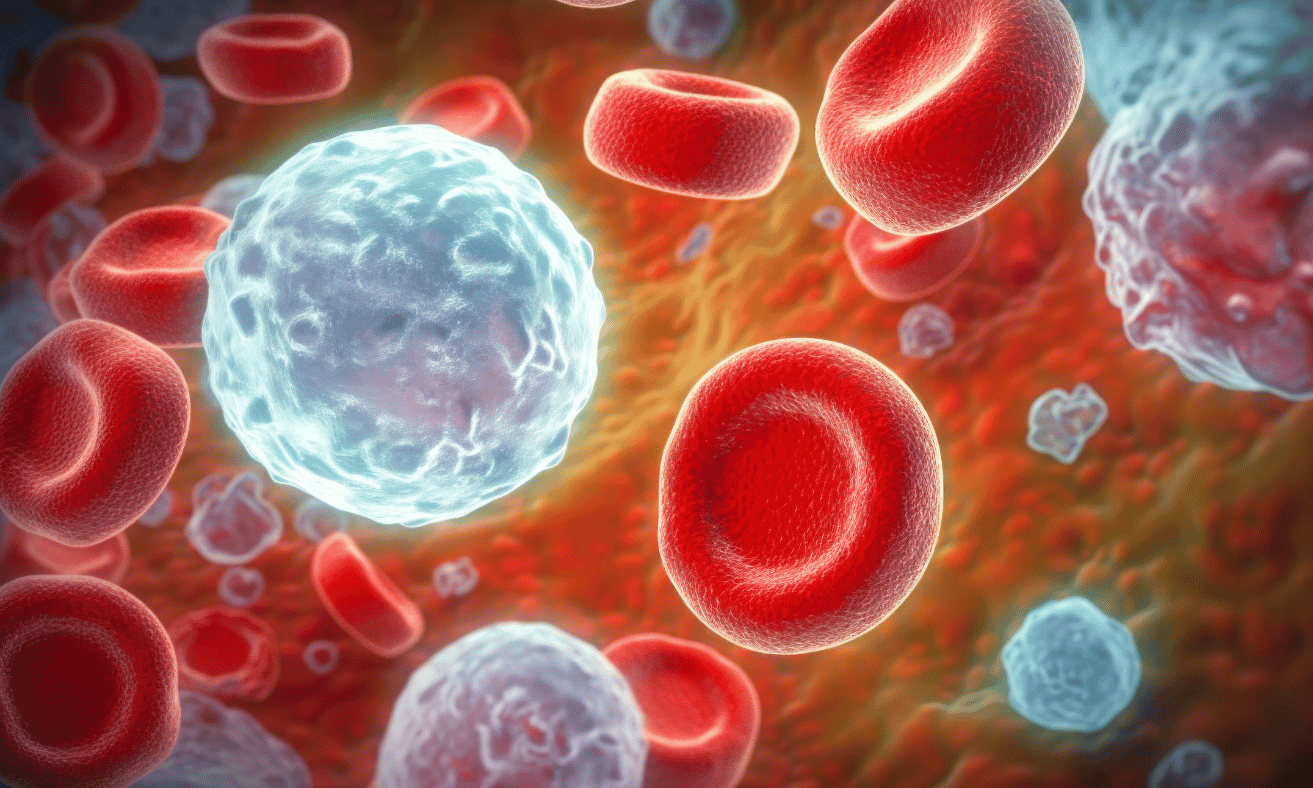
The question of how to strengthen your immune system usually comes up when sickness is already making the rounds. A cold moves through the office, a child brings something home from school, or a sore throat appears just before an important week. Suddenly, vitamin supplements, herbal remedies and foods with “immune-boosting” reputations become much more interesting. Yet the immune system does not wait for illness before getting to work. It is active every day, protecting the body from viruses, bacteria and other potential threats.
Because of that, immune health is closely connected to the everyday things that keep the body functioning well. Food, sleep, movement, hygiene and stress all have a part to play.
What Is the Immune System Made Of and How Does It Work?
The immune system is a network rather than a single organ. It includes cells, tissues, organs and proteins that work together to identify and respond to harmful substances.
Some of its defenses are part of the body’s first line of protection. The skin creates a physical barrier, while mucus in the respiratory and digestive tracts helps trap substances before they move further into the body.
Other parts of the immune system work deeper inside. Bone marrow produces many immune cells, while organs such as the thymus, spleen and lymph nodes help immune cells develop, communicate and respond to threats.
There are also different types of immune cells with different jobs. B cells produce antibodies, while T cells help coordinate immune responses and destroy infected cells. The innate immune system responds quickly to threats, while the adaptive immune system develops more targeted responses and can remember certain infections.
With so many parts working together, supporting immune health requires more than one food, supplement or wellness trend.
How to Strengthen Your Immune System
Eat a Variety of Nutrient-Rich Foods
The immune system needs several vitamins and minerals to function normally, including vitamins A, C, D and E, zinc and selenium. Protein is also important because the body uses it to build and repair tissues and produce immune-related proteins.
That makes variety more useful than chasing one “superfood”. Beans, vegetables, fruits, whole grains, nuts, seeds, eggs, fish and other protein-rich foods can all contribute different nutrients.
Many familiar African foods already fit into this picture. Beans and leafy vegetables, for example, provide fibre and other nutrients, while fruits, nuts and whole grains add even more variety to meals.
Give Your Gut Some Attention
The gut and immune system have a close relationship. The digestive tract is home to trillions of microorganisms that interact with the immune system and help maintain the environment in the gut.
Fibre is particularly useful because certain types are fermented by gut bacteria and produce compounds that can influence immune activity. Pap, oats, vegetables, fruits and whole grains are all good sources.
A varied diet that includes plenty of plant foods can therefore support both digestive and immune health.
Get Enough Sleep
Sleep is often the first thing to disappear when work runs late, deadlines pile up or there is still a long list of things to get through. A few hours become the norm, and eventually functioning on too little sleep can start to feel ordinary.
However, sleep plays an important role in immune function. Research has linked inadequate sleep with changes in immune responses and increased susceptibility to some infections.
Most adults need at least seven hours of sleep each night. A consistent sleep routine and enough time for proper rest can give the body room to carry out its normal recovery processes.
Keep the Body Moving
Regular physical activity supports several aspects of health, including cardiovascular health, sleep and mental wellbeing. It can also support normal immune function.
Movement does not have to mean spending hours in the gym. Walking, dancing, cycling, swimming, playing football or simply taking regular breaks from sitting can all add more activity to the day.
The most useful routine is often one that can actually fit into everyday life and be maintained over time.
Get Some Sunlight
Sunlight helps the body produce vitamin D when UVB rays reach exposed skin. Vitamin D has several functions in the body, including a role in normal immune function.
However, more sunlight is not necessarily better. The amount of vitamin D produced varies according to factors such as skin tone, location, time of day, clothing and sunscreen use, while too much ultraviolet exposure can damage the skin.
For anyone concerned about vitamin D deficiency, food, supplements and professional advice may be more appropriate than simply spending longer in the sun.
Practise Good Hygiene
The immune system has to deal with germs that enter the body, but reducing exposure to those germs can lower the chances of getting sick in the first place.
Handwashing is one of the simplest ways to do this. Hands come into contact with phones, door handles, taps, tables and other shared surfaces throughout the day. Washing them regularly, especially before eating and after using public or shared spaces, helps reduce the spread of infections.
It is not about making the environment completely germ-free. It is simply one practical way to reduce unnecessary exposure.
Make Room for Stress Management
Stress is a normal part of life, but prolonged stress can affect sleep, eating patterns, physical activity and other processes that contribute to overall health. Research also suggests that chronic stress can influence immune function.
That makes regular recovery important. Exercise, prayer, meditation, journaling, hobbies, time with friends or simply stepping away from work for a while can all provide opportunities to decompress.
There is no single formula for managing stress. What matters is having healthy ways to deal with periods of sustained pressure.
Avoid Smoking and Excessive Alcohol
Some lifestyle habits can interfere with normal immune function. Smoking, for example, can weaken the body’s defences and increase the risk of respiratory infections. Excessive alcohol consumption can also affect the immune system.
Avoiding smoking and keeping alcohol consumption within moderate limits can therefore help strengthen your immune system.
Immune Health Is Part of Overall Health
There is no single answer to how to strengthen your immune system because the immune system itself is complex. Its different parts rely on the wider body having enough nutrients, adequate rest and healthy conditions in which to function.
A balanced diet provides essential nutrients. Fibre supports the gut environment. Sleep allows the body to recover, while movement supports several systems at once. Good hygiene reduces exposure to infectious germs, and healthy ways of managing stress can support overall wellbeing.
None of these habits can guarantee that illness will never happen. Even a healthy immune system encounters viruses, bacteria and other threats. The goal is simply to give the body the everyday support it needs to do its job.
Common Questions About How to Strengthen Your Immune System
The immune system is a network of cells, tissues, organs and proteins that work together to protect the body from viruses, bacteria and other harmful substances.
Supporting immune health starts with everyday habits such as eating a varied diet, getting enough sleep, staying physically active, managing stress, practising good hygiene and avoiding smoking and excessive alcohol.
Foods such as fruits, vegetables, beans, whole grains, nuts, seeds, eggs and fish provide nutrients that support normal immune function. Eating a variety of foods is more useful than relying on one “immune-boosting” food.
Yes. Adequate sleep supports normal immune function, while consistently getting too little sleep can affect the body’s immune response. Most adults need at least seven hours of sleep each night.
Sunlight helps the body produce vitamin D, which plays a role in normal immune function. However, excessive UV exposure can damage the skin, so sunlight should be approached with care.
