
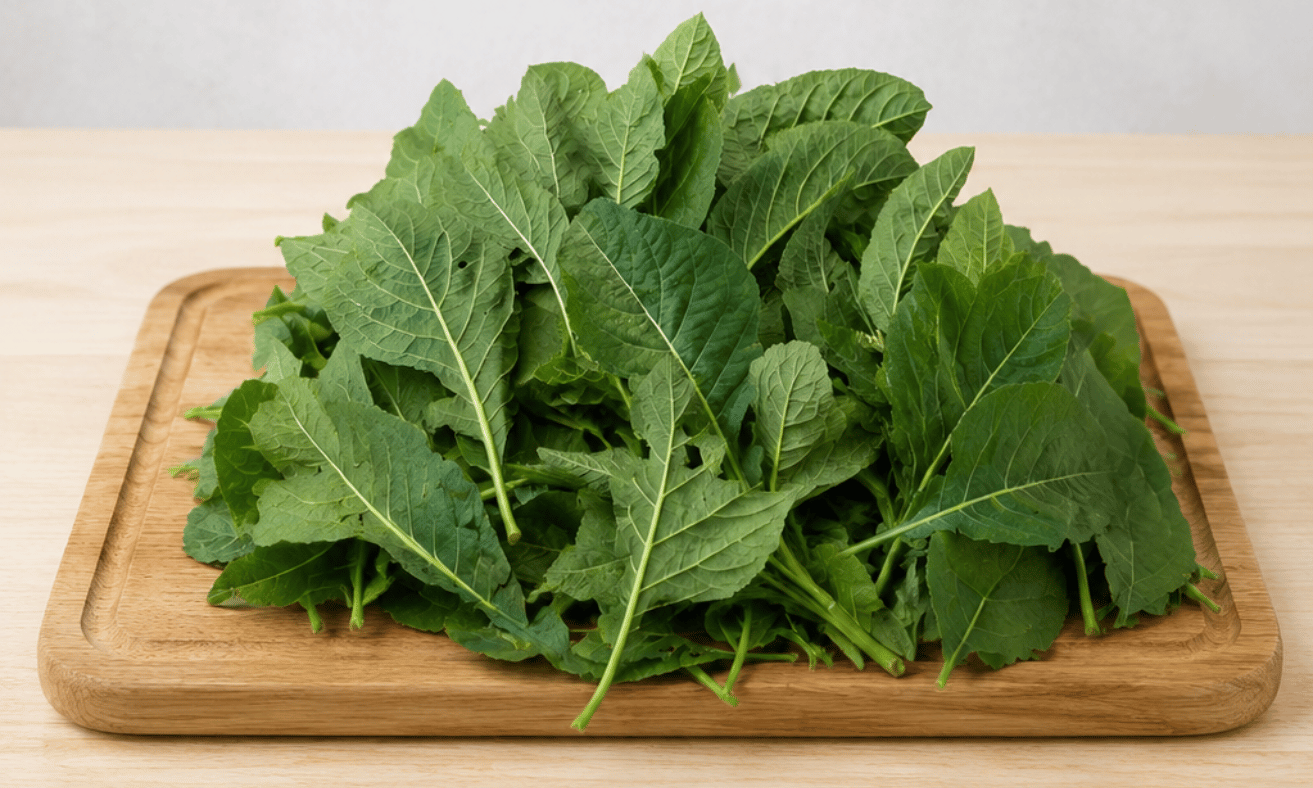
Africa is quietly sitting on some of the most powerful ingredients on the planet, and half the time, we do not even realise it. These ingredients grow in our backyards or end up in our soups without much ceremony or fancy packaging or wellness influencer pushing it. One of these superfoods is bitter leaf.
Bitter leaf, known scientifically as Vernonia amygdalina, shows up across African households in soups, tonics, and traditional remedies. It does serious work inside the body while getting almost none of the credit.
So here are seven things bitter leaf actually does inside your body, explained properly.
1. It Actively Fights to Lower Your Blood Sugar
If you have a family history of diabetes or you are already managing it, this one is worth paying close attention to. Bitter leaf does not just vaguely “help” with blood sugar. The mechanism is specific and it is impressive.
The leaf contains bioactive compounds called vernodalin, vernolide, and vernoniosides, and these are not just fancy names. They inhibit an enzyme called alpha-glucosidase, which breaks down carbohydrates into glucose in your gut. When that enzyme slows down, sugar does not flood your bloodstream all at once after a meal. Your blood sugar stays steadier. On top of that, flavonoids like luteolin in bitter leaf protect the pancreatic beta cells from oxidative damage. Those are the exact cells that produce insulin. So bitter leaf helps your body produce insulin better and slows down how fast sugar enters your blood.
2. It Gives Your Liver a Serious Deep Clean
Your liver works incredibly hard. It filters toxins, processes everything you eat, and manages hundreds of chemical reactions every single day. When it gets overworked or exposed to too many harmful substances, enzymes like ALT and AST start rising in your bloodstream. That is the sign that something is wrong.
Bitter leaf steps in through its hepatoprotective properties, which is a science way of saying it shields and repairs liver cells. The flavonoids and sesquiterpene lactones in the leaf reduce lipid peroxidation, which is where free radicals damage the fats inside your liver cells and cause inflammation. Beyond protecting existing cells, bitter leaf also promotes urine flow, which flushes out waste products that would otherwise build up. Research confirms it can even help prevent fatty liver disease, which is increasingly common even in people who do not drink alcohol at all.
3. It Wakes Up Your Digestive System
Here is something most people do not realise. The bitterness in bitter leaf is not just a taste. It is a trigger. When bitter compounds hit your taste receptors, they send a signal to your digestive system to start producing bile and digestive enzymes before your food even arrives. Doctors call this the cephalic phase of digestion. It means your gut is already prepared and working efficiently by the time your meal gets there.
Because of this, bitter leaf stimulates digestive enzyme production and eases indigestion and constipation. The antioxidants in the leaf also protect the stomach lining from oxidative damage, which helps guard against ulcers. So if you always feel bloated or heavy after meals, adding bitter leaf to your diet regularly could genuinely change how your gut feels day to day.
4. It Strengthens Your Immune System in a Way Most People Overlook
Most people reach for Vitamin C tablets when they think about immunity. But bitter leaf brings something that most supplements cannot replicate: a combination of alkaloids, saponins, flavonoids, and polyphenols that work together rather than in isolation.
Studies show that these compounds can inhibit the growth of bacteria, fungi, and viruses, which makes bitter leaf a broad-spectrum antimicrobial plant. This is actually why wild chimpanzees eat bitter leaf when parasitic infections hit them. Nobody trained them to do it. They reach for it instinctively because the compounds work. Traditional medicine practitioners across Africa have used it for respiratory infections, skin infections, and gut infections for centuries, and a significant portion of that evidence now holds up under scientific scrutiny.
5. It Has Real Anti-Cancer Properties (And This Is Not Hype)
This is the point where people usually get cautious, and rightfully so. The word “anti-cancer” gets thrown around recklessly on the internet. So let us be specific about what the research actually shows.
Bitter leaf contains alkaloids, coumarins, and saponins that researchers have studied for their ability to interfere with cancer cell growth. A 2004 study in The Journal of Experimental Biology and Medicine found that bitter leaf compounds could help halt the development of cells linked to breast cancer. More recent research shows that flavonoids like luteolin and apigenin can trigger tumour cells to self-destruct through a process called apoptosis. They do this through cell cycle arrest and by cutting off survival pathways inside cancer cells. The phytochemicals in bitter leaf, including chlorogenic acid, also generate oxidative stress specifically within tumour cells, which slows cancer progression.
This is not a cure and it is not a replacement for treatment. But a common vegetable leaf having compounds that interact with cancer cells in documented, specific ways is remarkable. It deserves serious attention.
6. It Supports Fertility
For women, researchers have noted that bitter leaf helps balance hormones and improve ovarian function, which supports healthy egg release. The compounds in the leaf regulate the reproductive system rather than overload it.
For men, the picture is more interesting. Bitter leaf increases glucose metabolism in the body, which produces a substrate called pyruvate. Pyruvate directly supports the movement and survival of sperm cells. Studies suggest that moderate consumption of bitter leaf extract improves sperm motility, morphology, and concentration. The antioxidants and flavonoids protect sperm from oxidative damage as well. However, dosage matters here. Research on rats showed that very high doses over a long period reversed those benefits entirely and caused testicular damage. So bitter leaf and fertility is a “the right amount matters” situation, not a “drink as much as possible” one.
7. It Fights Inflammation Throughout Your Whole Body
Chronic inflammation sits behind a staggering number of diseases, including arthritis, cardiovascular disease, autoimmune conditions, and certain cancers. Most people have no idea it is happening inside them because it is slow and silent.
The flavonoids and tannins in bitter leaf reduce inflammation by cutting off the production of pro-inflammatory cytokines. Those are the signalling proteins that tell your body to keep the inflammatory response running. Meanwhile, the antioxidants fight oxidative stress, which is one of the main things that triggers that inflammatory fire in the first place. This is why bitter leaf has traditionally treated conditions as varied as fever, malaria, arthritis, and even insomnia. Taking a bitter leaf drink at night promotes calmness and relaxation because lowering inflammation in the nervous system helps the body settle down.
How To Use Bitter Leaf
Knowing what bitter leaf does is one thing. Using it correctly is another. Here are the most common and effective ways to consume it:
- Fresh in soup. This is the most traditional method across Africa. Wash the leaves, squeeze them, and add them to soups and stews. You get all the benefits of the compounds alongside a full meal.
- As a juice or tonic. Squeeze fresh, washed leaves to extract the liquid and drink it directly. Some people mix it with water or a little honey to take the edge off the bitterness. Taking it on an empty stomach in the morning boosts metabolic rate noticeably because the bioactive compounds absorb faster without food competing for digestion.
- As a tea. Boil the leaves in water, let it cool slightly, and drink it like a herbal tea. This is a gentler method and works well for people who find the raw juice too intense.
- As a dried powder. Some people dry and grind bitter leaf into a powder to add to smoothies, soups, or water. This makes it easier to store and use consistently.
One important thing to keep in mind: the saponins responsible for that intense bitterness are also medicinal, but they are the reason you wash and squeeze the leaves thoroughly before use. Too much of anything, even a healing plant, can tip from beneficial into harmful. Moderation and consistency will always beat large erratic doses.
Bitter Leaf Has Always Been Doing the Work
Bitter leaf is one of those ingredients that the people who grew up around it have always respected, but modern wellness culture almost completely ignores. The research is clear though: real compounds, real mechanisms, real effects on real systems in the human body. It is not magic and it is not a miracle cure. But given what it does for your blood sugar, your liver, your gut, your immune system, your cells, your fertility and your inflammation levels, calling it just “bitter leaf” maybe “healing leaf” should be its name.
This article is for information purposes only and must not be substituted for professional advice.
