
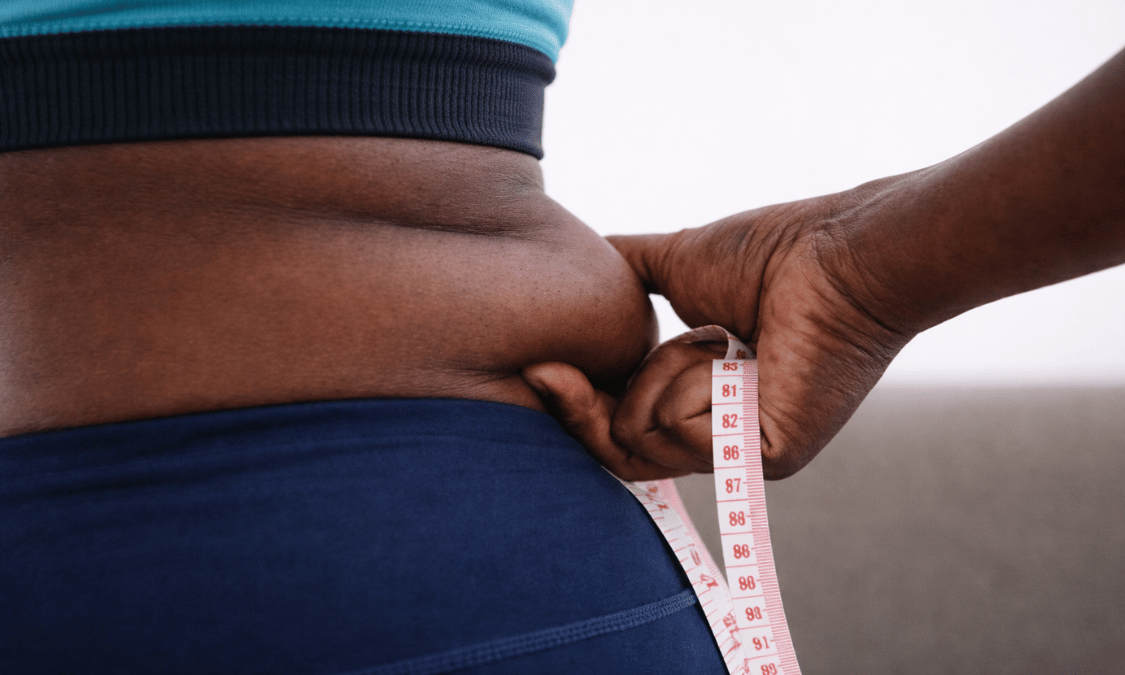
If you’ve been trying to figure out how to lose belly fat and nothing seems to be working, you’re not alone. A lot of people are doing what they believe is “right” and still seeing no change in their stomach area. The issue is not effort. It’s understanding what actually drives fat loss.
Let’s break it down properly.
What Actually Causes Belly Fat Loss
At its core, fat loss is about energy balance. Your body needs to use more energy than it gets from food. This is what is known as a calorie deficit.
When a calorie deficit exists, your body starts pulling from stored fat to make up the difference. That includes belly fat.
However, your body does not target your stomach first. It pulls from different areas based on your genetics, hormones, and consistency. So even when you’re doing things right, your stomach might be the last place to change.
Still, if you’re serious about how to lose belly fat, this is the foundation. Without a consistent calorie deficit, nothing else works.
Why Most People Get Stuck
Now here’s where things start to go wrong.
Most people think they are in a calorie deficit, but they are not. You might be eating smaller portions, choosing “healthier” foods, or working out more. However, small things add up quickly.
For example, snacks between meals, drinks, and unmeasured portions can quietly increase your calorie intake. At the same time, many people overestimate how much they burn during exercise.
So even though it feels like progress should happen, there is no real gap for fat loss.
This is why people get frustrated when trying to figure out how to lose belly fat. It feels like the body is not responding, but the conditions for fat loss are not fully there.
The Hidden Calories That Slow You Down
Not all calories are obvious.
Cooking oil, sauces, sugary drinks, and even small “tastes” while preparing food can add more than you think. These are easy to overlook because they don’t feel like full meals.
Still, your body counts everything.
Over time, these extras can cancel out your progress completely. So you may feel disciplined, but your intake tells a different story.
That’s why understanding how to lose belly fat is not just about what you eat, but how much you consistently consume.
When Eating Too Little Backfires
On the other hand, some people go to extremes.
They cut their food too low, skip meals, and try to force quick results. At first, it might seem like the right move. However, your body responds by protecting itself.
Your metabolism slows down, hunger increases and energy drops. You move less without even noticing. As a result, fat loss becomes harder to sustain.
So while it may feel like you are doing everything possible, you are actually working against your body.
This is why a balanced approach matters when learning how to lose belly fat. You need a method your body can maintain over time.
Why Losing Belly Fat Takes Longer
Belly fat is often the most stubborn.
This area is influenced by hormones like cortisol, which is linked to stress, and insulin, which is affected by diet patterns. Poor sleep, high stress, and inconsistency can all make it harder for your body to release fat from your midsection.
So you might notice changes in other parts of your body first.
That does not mean the process is not working. It simply means you need to stay consistent long enough to see results where you want them most.
What Actually Works
If you’ve been trying to figure out how to lose belly fat, here is the part most people overlook.
Even when you get your calorie deficit right, your results will still depend on how well your lifestyle supports it.
Poor sleep, high stress, and inconsistent routines can make your body hold onto fat longer, especially around your stomach. Not because the deficit is not working, but because your body is under constant pressure.
So fat loss is not just about what you eat. It is also about how your body feels.
When you combine a proper calorie deficit with enough rest, lower stress, and consistency, your body becomes more willing to let go of stored fat.
That is what makes the difference between trying and actually seeing results.
