
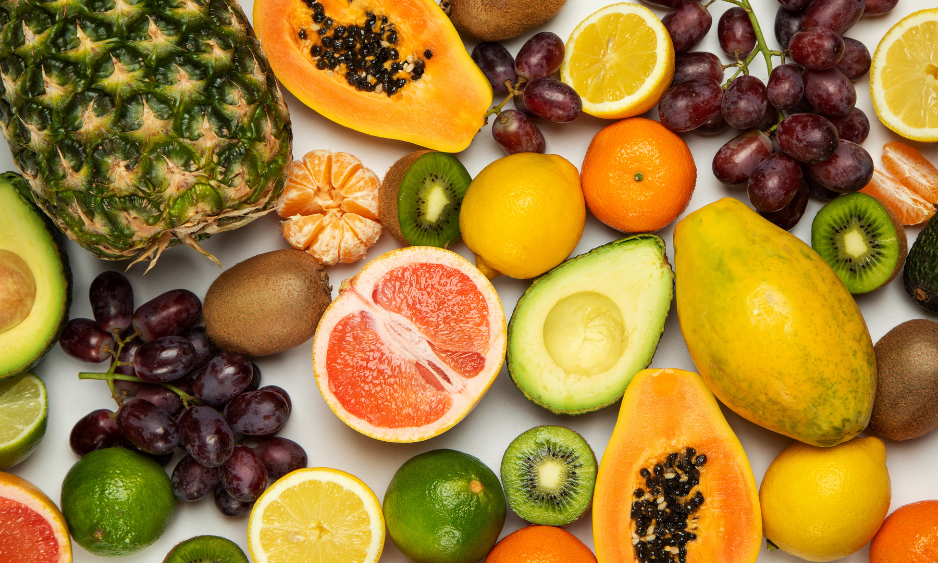
If you want to eat better, pay attention to seasonal fruits and vegetables in Africa. Across the continent, rainfall patterns determine what grows, when it grows, and how affordable it becomes. Even though supermarkets stock produce year round, harvest cycles still shape quality, price and nutrient density.
Africa does not follow four European style seasons. Most regions move between dry periods and rainy periods. Because of that, food availability shifts with moisture levels, not calendar months.
Understanding that shift helps you choose food that is fresher, often cheaper, and better suited to the climate you are living in.
How Seasons Work Across Africa
In West Africa, you have harmattan and extended dry heat followed by heavy rains. In East Africa, there are short rains and long rains. Southern Africa follows summer rainfall patterns. The timing differs, but the structure is similar. There is a dry phase. Then there is a rainy phase.
When soil is dry, only certain crops thrive. When rain returns, different crops dominate. That is why seasonal fruits and vegetables in Africa rotate throughout the year.
When planning your meals, note whether your region is in a dry period or a rainy one.
Dry Season Produce
During dry months, heat increases water loss. As a result, water rich fruits often become more common in markets in many regions.
Common dry season fruits in parts of West, Central, and East Africa include:
- Mango
- Watermelon
- Pineapple
- Pawpaw
- Citrus varieties
These fruits contain high water content and support hydration. They also provide vitamins that help maintain skin and immune function during prolonged heat.
Vegetables such as okra and garden eggs tolerate dry soil better than leafy greens. Therefore, they remain more available in certain dry periods.
Dry season eating often naturally includes more fruit and lighter vegetable dishes. That pattern reflects what grows most successfully under heat stress.
Early Rainy Season Produce
When rainfall begins consistently, markets change quickly. Leafy vegetables increase in supply because moist soil supports rapid growth.
Examples across different regions include:
- Ugu in West Africa
- Sukuma wiki in East Africa
- Amaranth leaves across multiple regions
- Local spinach varieties
These greens are rich in iron, folate, and fiber. After months of dry heat, increasing leafy vegetables improves mineral intake and supports energy levels.
At the same time, maize may start appearing depending on location. Root crops follow their own regional harvest timelines.
This is a key transition point in seasonal fruits and vegetables in Africa because the overall nutrient profile of available foods shifts from water heavy fruits to mineral dense greens.
Peak Rainy Season and Root Crops
As rainfall stabilizes and harvest matures, starchy crops become more prominent in many areas.
Common examples include:
These foods provide sustained energy and form the foundation of many traditional meals. During cooler or wetter months, they are often more widely harvested and more affordable.
However, combining starches with vegetables remains important for balanced digestion and nutrient intake.
Why Seasonal Eating Makes Practical Sense
Seasonal produce is usually harvested at full maturity. As a result, it tends to taste better and retain stronger nutrient density. It is also often less expensive because supply increases during peak harvest.
Additionally, climate affects the body. Heat increases fluid requirements. Rainy periods influence appetite and energy needs. Therefore, eating seasonal fruits and vegetables in Africa helps align your diet with environmental conditions.
How to Start Eating Seasonally in a Practical Way
Start with observation. When one fruit becomes noticeably cheaper and more available, it is likely in peak season. Buy it more often during that window.
Next, rotate your vegetables. If leafy greens suddenly increase in supply during rainy months, increase how often you cook them. When dry months reduce green availability, shift toward vegetables that tolerate heat.
Also, pay attention to harvest timing for root crops in your region. When yam or cassava is in peak harvest, prices usually reflect that. That is the most practical time to include them more regularly.
Instead of eating the same meals every month of the year, adjust based on what is abundant. That small shift is what seasonal eating actually looks like.
Seasonal Eating in Africa FAQs
Seasonal fruits and vegetables in Africa are produce items that grow naturally during specific dry or rainy periods in different regions. Availability depends on rainfall patterns, soil conditions, and harvest cycles.
Seasonal eating matters because produce harvested in its natural cycle is often fresher, more affordable, and better suited to the climate. It also supports local farmers and reduces reliance on long storage or imported foods.
In many regions, mango, watermelon, pineapple, pawpaw, and some citrus varieties are common during dry months because they tolerate heat and provide hydration.
Leafy greens such as ugu, sukuma wiki, amaranth, and local spinach varieties often thrive during rainy periods due to increased soil moisture.
Check open markets. Notice what becomes more abundant and cheaper. Vendors can also tell you what was recently harvested.
This article is for information purposes only and must not be substituted for professional advice.
