
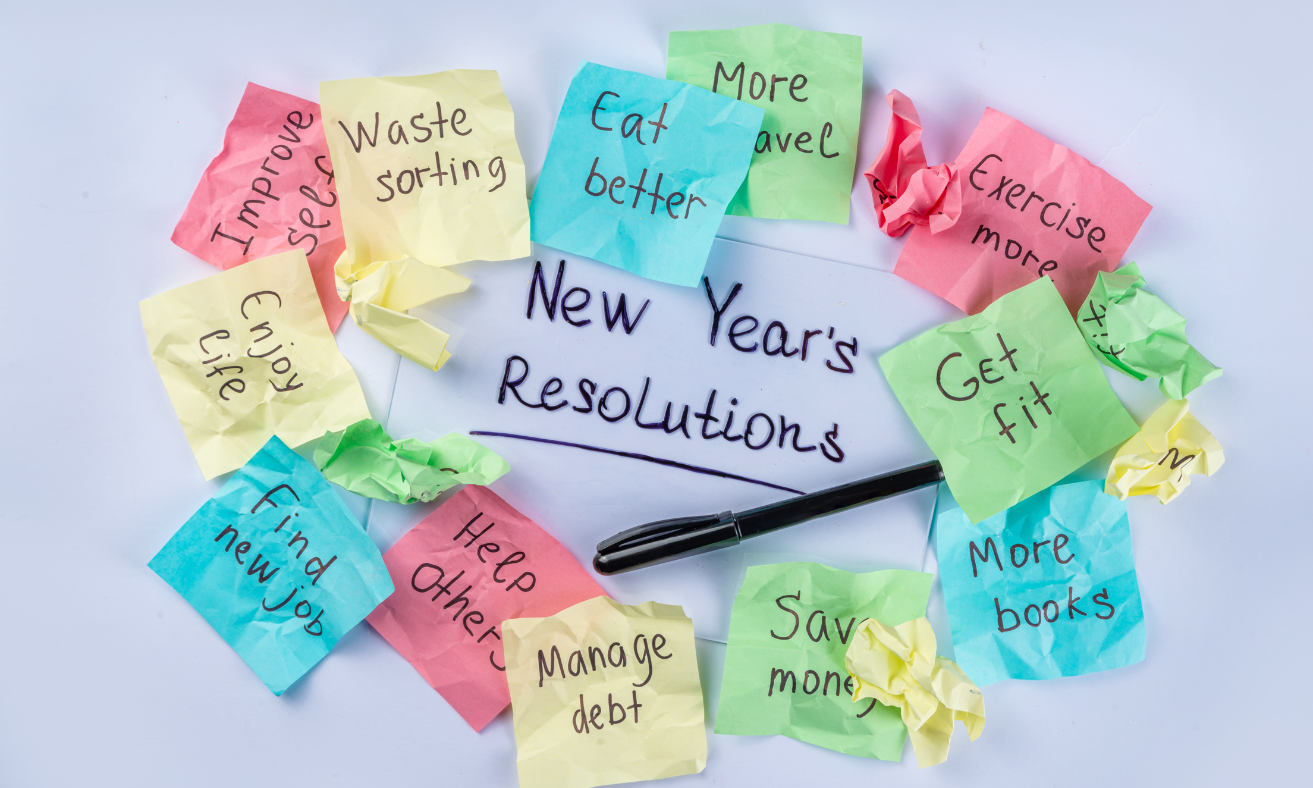
It’s December, and the time has come for the annual year end self assessment. You’re holding your internal report card, and the verdict is clear: you didn’t hit those big goals you set back in January.
Maybe you didn’t launch the business, finish the book, or save the target amount. If you’re feeling a heavy mix of disappointment and self criticism right now, take a deep breath. You are not alone. Let’s be real about why this happens and what you can actually do next.
Why Did We Miss the Mark?
We often miss goals not because of a lack of effort, but because of a faulty system or faulty starting point. Therefore, let’s dissect the common, brutally honest issues that trip us up.
1. The Goals Were Vague or Unrealistic
Often, we set goals that sound good but lack a clear roadmap. For example, maybe your goal was “get fit.” Consequently, you had no measurable way to track progress. Vagueness is a killer. Furthermore, many people fall into the trap of setting a “perfect” goal based on external pressure or social media highlights, rather than what’s genuinely achievable given their resources and time. In addition, we often underestimate how long things truly take.
2. We Confused Goals with Habits
A goal is a destination (e.g., “Run a marathon”). A habit is the vehicle that gets you there (e.g., “Run 3 times a week for 30 minutes”). Since many people only focus on the final goal, they never build the daily, non negotiable habits necessary for momentum. You can’t just wish your way to a result; you must behave your way there. Therefore, your failure wasn’t in the wanting, but in the doing of the small, repeatable actions.
3. We Forgot About Life (The “Black Swan” Events)
You set your goals assuming a perfect, linear year. However, life doesn’t work that way. A global event, a family emergency, a job change, or a health issue can completely derail your best intentions. Thus, it’s crucial to acknowledge the unexpected challenges that consumed your energy, time, and focus this year. This is not an excuse; it’s a realistic component of your year end self assessment. Give yourself grace for navigating the unnavigable.
4. The System Was Built on Willpower, Not Structure
Willpower is a finite resource. You can’t rely on being motivated every single day. Conversely, a well built system makes progress nearly automatic. Consequently, if you were relying on sheer motivation to write after a 10 hour workday, your system was set up for failure. A good system includes time blocking, environmental design (e.g., putting your workout clothes out the night before), and accountability.
A Practical 3-Step Plan for Your Year End Self Assessment
Now that we have dissected the issues, let’s pivot. Your report card isn’t a final grade; it’s just feedback. Therefore, use this moment to become a smarter goal setter for the future.
Step 1: Conduct a Brutally Honest Post Mortem
Forget the “shoulds” and focus on the facts. Get out a notebook and list your top 3 unmet goals. Under each one, ask:
- What was the first step I took (or didn’t take)?
- Where did the goal drop off? (Specific date/month)
- What was happening in my life when it dropped off? (Be specific: stress, sickness, new commitment, boredom)
- What habit did I fail to establish?
- If I made this goal 50% smaller, would I have hit it?
This deep dive is the most valuable part of your year end self assessment.
Step 2: Shrink the Goal, Solidify the Habit
Your big goal might be too intimidating to sustain. Instead, turn your failed 2025 goal into a micro-habit for 2026.
- Failed Goal: Write a 300 page novel.
- New Habit: Write 200 words every day (This uses a concept called habit stacking.)
- Failed Goal: Save $10,000.
- New Habit: Set up an automatic transfer of $50 every paycheck, so I never see the money.
Focus solely on making the daily action so easy that saying “no” takes more effort than saying “yes.”
Step 3: Schedule a Goal Review, Not a Goal Setting Session
Don’t wait until next December for another disappointing year end self assessment. Instead, schedule a recurring 90 day review, or even a weekly Goal Check In with yourself. In this way, you create an immediate feedback loop. If you drift off course in February, you correct it in March, not in November. This structure guarantees you stay agile. Moreover, a frequent review helps you recognize early when a goal is truly unrealistic and needs to be adjusted, rather than abandoned.
The Only Thing That Matters Now Is What You Do Next
The biggest lesson from your 2025 report card is this: You didn’t fail; you simply got valuable data. Every major success story is built on a pile of smaller, less visible failures. This honest year end self assessment gives you a massive advantage heading into the new year. Take what you’ve learned, drop the baggage of self criticism, and focus on building systems, not relying on fleeting motivation. Now, go build your 2026 plan with clarity, grit, and realism.
