
Are spicy cubes healthy?
While they offer convenience and consistent taste, many seasoning cubes contain high levels of sodium and additives designed to intensify flavor. Over time, excessive sodium intake may contribute to health concerns such as high blood pressure. That said, the goal is not fear — it is awareness. When you know better, you can season better.
The good news? There are natural, flavorful alternatives that not only replace seasoning cubes but often elevate your cooking.
Why More People Are Rethinking Seasoning Cubes
Today’s wellness-conscious eater is reading labels more carefully. As a result, ingredients once ignored are now being questioned.
Seasoning cubes are designed to mimic deep, slow-cooked flavors instantly. However, traditional African cooking did not begin with cubes. It began with layered herbs, spices, broths, fermented ingredients, and dried seafood — all of which delivered complexity naturally.
In other words, flavor has always been part of our culinary heritage. We simply outsourced it for convenience.
Better Alternatives to Seasoning Cubes
If you’re wondering what to use instead, here are practical, accessible options that preserve taste while supporting cleaner cooking.
1. Homemade Broth
Seasoning cubes are meant to replicate meat or chicken flavor. Instead of relying on them, consider making your own broth using the meat already planned for your meal.
Season your chicken, beef, or goat meat with dry herbs, salt, ginger, onions, and garlic. Then fill the pot with enough water to extract flavor and allow it to boil for 45–60 minutes. Once cooled, strain and freeze the broth in portions.
Not only does this intensify flavor naturally, but it also gives you a base for soups and sauces without additives.
2. Dry Herbs
Investing in dry herbs can transform your cooking instantly. Parsley, oregano, thyme, rosemary, and basil add aroma and depth that seasoning cubes often try to imitate.
Moreover, herbs allow you to control flavor without excessive sodium. A small pantry upgrade can make a noticeable difference.
3. Fresh Aromatics
Fresh ginger and garlic are foundational in many African dishes. Yet, when used generously and intentionally, they eliminate the need for artificial flavor enhancers.
In addition, onions, spring onions, and fresh peppers create layered taste profiles that cubes cannot fully replicate.
4. Dry Fish, Crayfish, and Shrimp
Many seasoning cubes come in shrimp flavor. However, nothing replaces the richness of real dried fish or crayfish blended into your stew.
By grinding your own dry fish or shrimp, you retain authentic flavor while avoiding unnecessary additives. This method also reconnects you to traditional cooking techniques.
5. Homemade Spice Blends
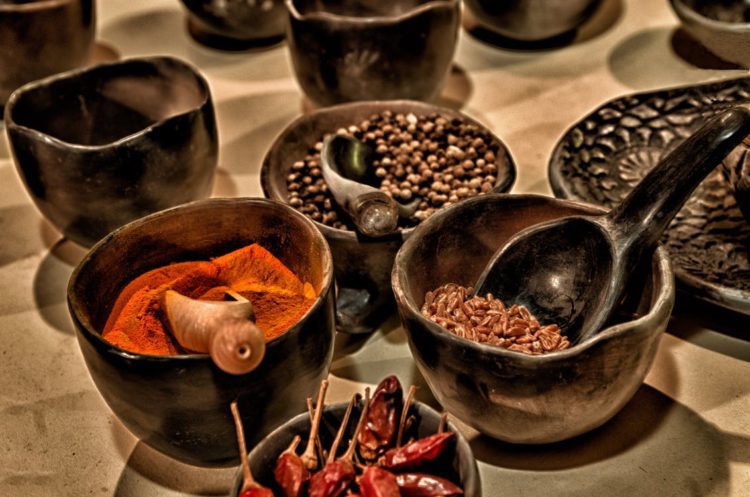
One of the most effective alternatives to seasoning cubes is creating your own spice blend.
A simple base blend can include:
- Ground garlic
- Onion powder
- Dried thyme
- White or black pepper
- Smoked paprika
- A small amount of sea salt
Mix, store in an airtight container, and use it as your everyday seasoning base.
Not only does this give you control over ingredients, but it also allows you to adjust flavor intensity to suit each dish. Over time, you’ll notice that your cooking becomes more distinctive and personal.
Seasoning Cubes FAQs
Homemade broth, dry herbs, fresh aromatics like ginger and garlic, blended dry fish or crayfish, and homemade spice blends are excellent alternatives. These options provide rich flavor without relying heavily on additives.
Absolutely. Traditional African cooking relied on natural ingredients long before seasoning cubes existed. With layered spices, herbs, and broths, food can be deeply flavorful and even more complex.
Combine ground garlic, onion powder, thyme, pepper, paprika, and a small amount of salt. Store in an airtight container and adjust ratios based on your taste preferences.
This article is for information purposes only and must not be substituted for professional advice.
