
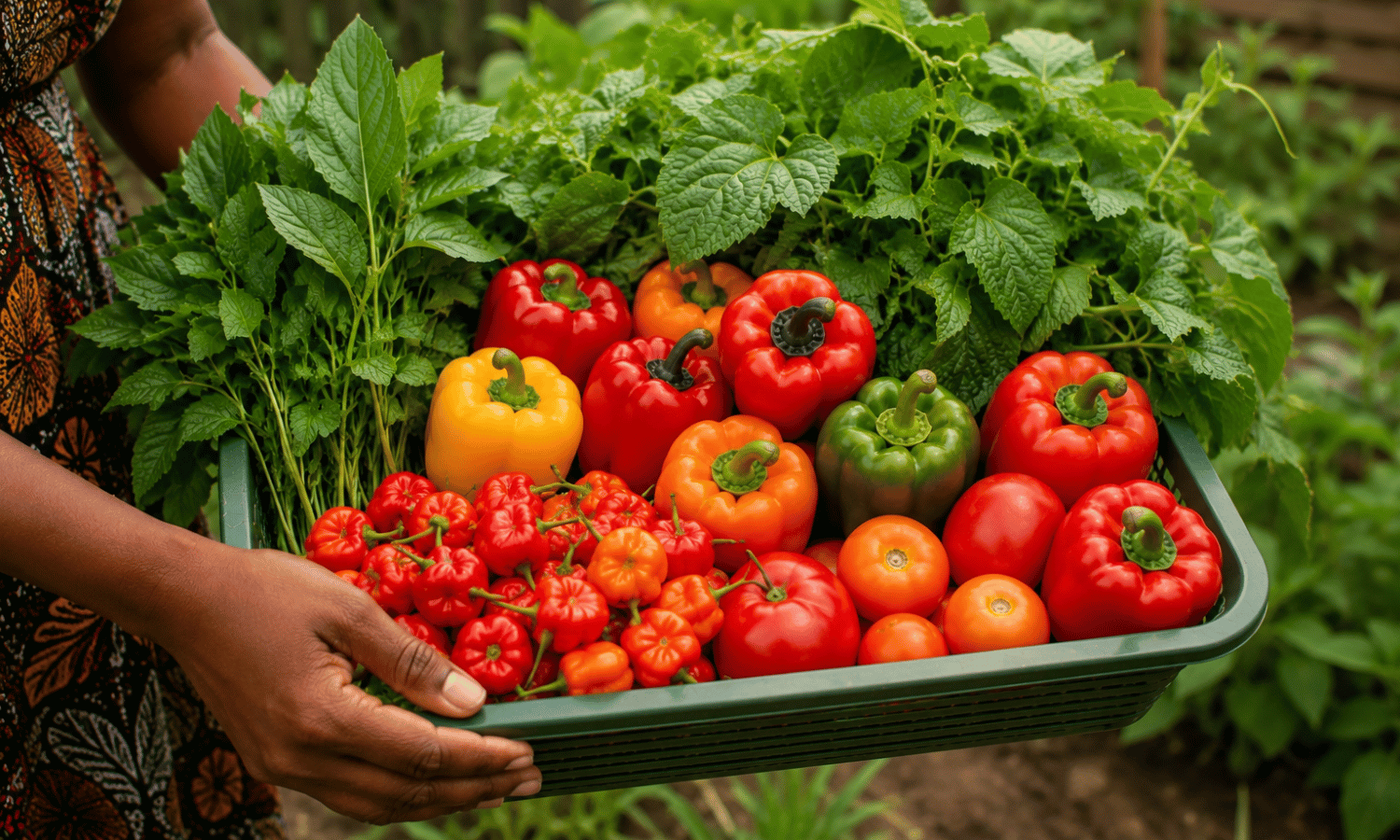
There is something deeply satisfying about walking into your backyard, picking fresh vegetables, and using them to prepare a meal for your family. Home gardening is making a comeback across Africa, and it is not just because people want a new hobby.
Rising food prices, a growing interest in healthier eating, and the desire to become a little more self-sufficient have inspired many people to start growing their own food.
The good news is that you do not need a large piece of land to make it happen. A sunny backyard, a small compound, or even a few containers can produce enough vegetables to keep your kitchen stocked with fresh ingredients.
Why Home Gardening Is Worth Starting
- You spend less on groceries. This means fewer trips to the market for fresh produce.
- Your meals become fresher and healthier. Vegetables begin losing freshness after they are harvested. Picking them just before cooking preserves their flavour and nutritional value.
- You decide how your food is grown. Home gardening allows you to choose the fertilisers, compost, and pest control methods you are comfortable using.
- Food waste reduces naturally. When you have cared for a plant from seed to harvest, you are much less likely to waste what it produces.
- Gardening is good for your wellbeing. Spending time outdoors, watering plants, and watching them grow can help you slow down and disconnect from everyday stress.
- You develop a valuable life skill. Every season teaches you something new, making it easier to grow more crops with confidence.
Now that you know why home gardening is worth the effort, let’s look at some African foods that are surprisingly easy to grow in your own backyard.
Easy African Foods You Can Grow in Your Backyard
Fluted Pumpkin (Ugu)
Fluted pumpkin, popularly known as ugu, is one of the easiest leafy vegetables to grow, making it an excellent choice for beginners. It thrives in warm weather and grows best in loose, well-drained soil with plenty of sunlight. Plant the seeds directly in the ground, keep the soil consistently moist, and provide a stake or trellis for the vines to climb. Supporting the vines helps improve airflow and keeps the leaves healthier.
Harvest only the mature shoots instead of cutting the entire plant. This encourages fresh leaves to keep growing, giving you multiple harvests from a single plant. Many beginners make the mistake of removing too many leaves at once, which slows down new growth. Harvest Time: 4 to 6 weeks.
Scotch Bonnet Pepper
Scotch bonnet pepper is a staple in many African kitchens and grows surprisingly well in a backyard garden. Plant it in loose, fertile soil that drains well and place it somewhere that receives at least six hours of sunlight each day. Water the plant regularly, but avoid waterlogging because constantly wet soil can weaken the roots and reduce fruit production.
As the plant begins to flower, feed it with compost or a balanced fertiliser to encourage healthy peppers. Pick the fruits only after they develop their full colour because that is when they have the richest flavour and heat. Regular harvesting also encourages the plant to keep producing more peppers. Harvest Time: About 3 months.
Garden Egg
Garden egg is a hardy crop that adapts well to warm African climates and rewards gardeners with a generous harvest. Start the seeds in a nursery before transplanting healthy seedlings into fertile, well-drained soil. Choose a sunny location, water regularly, and keep the area free of weeds so the plants can absorb the nutrients they need.
Once the fruits become firm and reach a good size, harvest them before they become overripe. Younger garden eggs have a milder flavour and a more pleasant texture, while older fruits can become bitter and filled with tougher seeds. Harvest Time: 10 to 12 weeks.
Okra
Okra is one of the fastest-growing vegetables you can add to your backyard and is ideal for anyone trying home gardening for the first time. Sow the seeds directly into loose, well-drained soil because okra does not respond well to transplanting. Give the plants plenty of sunlight and water them regularly until they become established.
Harvest the pods while they are still young and tender instead of waiting for them to grow larger. Mature pods quickly become tough and fibrous, making them less enjoyable to cook. Picking okra every few days also encourages the plant to keep producing fresh pods throughout the season. Harvest Time: 50 to 65 days.
Tomatoes
Tomatoes are one of the most rewarding crops to grow because they are used in countless African dishes and taste noticeably sweeter when picked fresh from the vine. Start seeds in a nursery before transplanting them into rich, well-drained soil in a sunny location. As the plants grow, support them with stakes or cages to keep the fruits off the ground and improve airflow.
Water the soil rather than the leaves to reduce the risk of disease, and remove damaged leaves whenever necessary. Harvest tomatoes once they develop their full colour but are still firm enough to handle. They will continue ripening after picking while retaining their flavour. Harvest Time: 10 to 14 weeks.
African Spinach (Amaranth)
African spinach is an excellent crop for gardeners who want quick results. It grows rapidly, produces tender leaves throughout the season, and thrives in fertile, well-drained soil with regular watering. Sow the seeds directly into the ground, then thin the seedlings once they begin to grow so each plant has enough room to flourish.
Instead of harvesting the entire plant, pick the outer leaves first and allow the centre to continue growing. This simple technique gives you fresh leaves for several weeks while keeping the plant healthy and productive. Harvest Time: 4 to 6 weeks.
Scent Leaf (African Basil)
Scent leaf is valued for its distinctive aroma and its ability to add flavour to soups, sauces, and traditional dishes. It grows well from seeds or stem cuttings and thrives in sunny locations with fertile, well-drained soil. Regular watering and occasional pruning encourage the plant to become fuller and produce more leaves.
Many gardeners allow scent leaf to flower too early, but pinching off the flower buds helps the plant focus its energy on producing fresh foliage instead. Frequent harvesting also encourages bushier growth, ensuring you always have fresh leaves within reach. Harvest Time: 6 to 8 weeks.
Tips for a Successful Home Garden
Growing healthy vegetables does not require expensive tools or years of experience. A few consistent habits can make all the difference.
- Choose the right location. Most vegetables need at least six hours of direct sunlight every day.
- Start with healthy soil. Mix compost or well-rotted organic matter into the soil before planting. Healthy soil produces healthy plants.
- Water deeply instead of frequently. Deep watering encourages stronger roots that cope better during hot weather.
- Use mulch whenever possible. Dry grass, leaves, or straw help the soil retain moisture, reduce weeds, and regulate soil temperature.
- Weed regularly. Small weeds are much easier to remove than large ones. More importantly, they steal water and nutrients from your crops.
- Check your plants every day. A quick walk through your garden helps you spot yellow leaves, insect damage, or disease before they become serious problems.
- Feed your plants naturally. Compost improves soil structure and releases nutrients slowly, helping vegetables grow steadily throughout the season.
- Harvest regularly. Many vegetables, including peppers, okra, and leafy greens, produce even more when harvested consistently.
Common Home Gardening Mistakes to Avoid
Even experienced gardeners make mistakes. Fortunately, most problems are easy to prevent once you know what to watch for.
- Planting crops too close together. Crowded plants compete for sunlight, water, and nutrients, while poor airflow increases the risk of disease.
- Overwatering. Wet soil can be just as harmful as dry soil because roots need oxygen as well as moisture.
- Ignoring sunlight requirements. Vegetables grown in too much shade often become weak and produce fewer leaves or fruits.
- Harvesting too late. Many vegetables taste better and remain more tender when picked young.
- Forgetting to improve the soil. Crops remove nutrients every season, so replenishing the soil with compost is essential.
- Starting with too many crops. It is much easier to manage a small, healthy garden than a large one that becomes overwhelming.
- Using unhealthy seedlings. Weak plants rarely recover completely, so always start with vigorous seedlings or quality seeds.
- Waiting too long to deal with pests. A few insects can quickly become an infestation if ignored. Regular inspection helps you solve problems while they are still small.
Start Small and Grow with Confidence
One of the best things about home gardening is that every season makes you a better gardener. You will learn which vegetables thrive in your space, how your soil responds to different crops, and what simple habits produce the healthiest harvests. Those lessons cannot be rushed, but they are worth every effort.
If you are just getting started, resist the temptation to plant everything at once. Begin with two or three vegetables you use regularly, master their growing needs, and build from there.
Most importantly, remember that a successful garden is not measured by its size. It is measured by the satisfaction of growing food with your own hands. Home gardening gives you that opportunity, one seed at a time. Whether you have a sprawling backyard or a small patch of soil, there has never been a better time to start growing the African foods you already know and love.
