
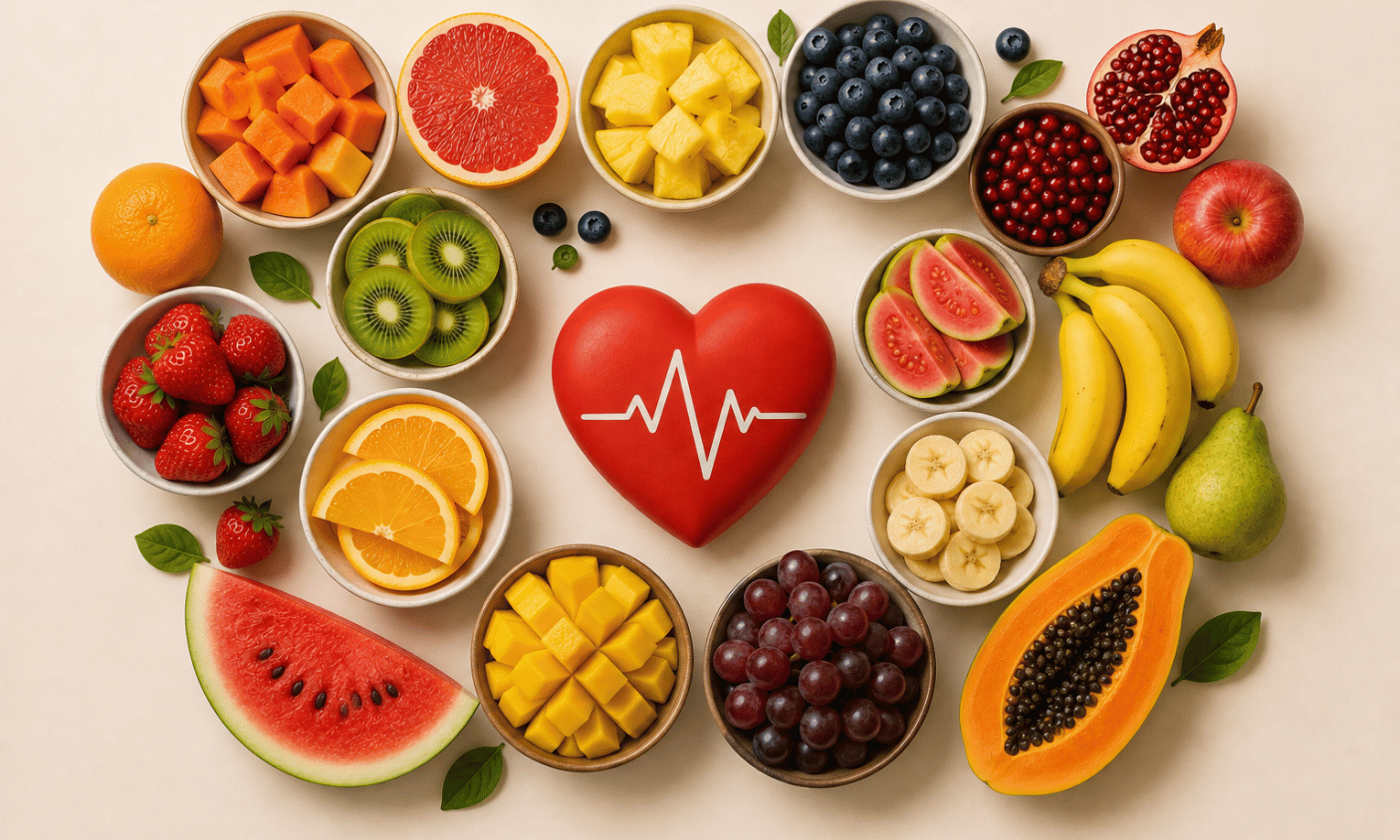
Your heart beats roughly 100,000 times a day. It does not pause when you are sleeping, working, eating or rushing to catch a bus. It simply keeps going. That makes what you eat more than a question of taste or convenience. Over time, the heart healthy foods you choose can help support your heart and the blood vessels that carry blood around your body.
Many African foods are already packed with nutrients that can support your heart. Some are everyday staples we have grown up eating, while others are foods we may not realise contain nutrients linked to cardiovascular health. Knowing what to look for can make it easier to build meals that support your heart.
So, what are these nutrients, where can you find them, and what makes them useful for your heart? Let us take a closer look.
5 Nutrients Your Heart Will Thank You For
A heart-healthy diet is not about one magical food or nutrient. Instead, it is about eating a variety of nutritious foods regularly while limiting excess salt, added sugars, saturated fats and highly processed foods. The American Heart Association and World Health Organization both recommend eating patterns built around vegetables, fruits, whole grains, legumes, nuts, healthy proteins and minimally processed foods.
Here are five nutrients to pay attention to and the African foods that can help you get them.
1. Omega-3 Fatty Acids
When people hear omega-3, they often think about supplements. However, you can get these healthy fats directly from food, particularly oily fish.
Sardines, mackerel, herring and other oily fish are naturally rich sources of omega-3 fatty acids. These fats are associated with cardiovascular benefits and form part of a heart-healthy eating pattern. The American Heart Association recommends regularly eating fish, especially fatty fish, as a source of healthy protein and omega-3 fats.
For many African households, this is good news because fish is already part of the menu. Instead of always frying it, try grilling, baking, steaming or adding it to a vegetable-rich meal. The cooking method matters too because a nutritious food can become less heart-friendly when it is routinely prepared with large amounts of unhealthy fats.
2. Potassium
Potassium is an essential mineral that helps the body regulate fluid balance, nerves and muscle function. It also plays an important role in maintaining healthy blood pressure. Interestingly, potassium and sodium work in opposite directions when it comes to blood pressure, which is one reason eating more potassium-rich foods can be useful alongside reducing excess salt.
You can find potassium in plenty of everyday foods, including bananas, beans, plantain, sweet potatoes, tomatoes, avocado and leafy green vegetables.
There is another useful takeaway here. If your meals rely heavily on salty seasonings, stock cubes and processed foods, simply adding one potassium-rich food does not cancel out the excess sodium. Instead, build meals around more fresh and minimally processed ingredients while gradually reducing how much salt and salty seasoning you use. WHO recommends keeping adult salt intake below 5 grams a day.
3. Magnesium
Magnesium does not get as much attention as some other nutrients, but your body uses it for hundreds of processes, including normal muscle and nerve function. Since the heart is a muscle, getting enough magnesium as part of a balanced diet matters.
Fortunately, you do not need a special product to get it.
Pumpkin seeds, groundnuts, beans, millet, whole grains and dark leafy vegetables can all contribute magnesium to your diet. Seeds and nuts also provide unsaturated fats and other nutrients, making them useful additions to a varied eating pattern.
Try adding a handful of unsalted groundnuts to a snack, choosing whole grains more often or including leafy vegetables in your main meals. Small changes like these can add up because you are improving the overall quality of your diet rather than relying on one food to do all the work.
4. Fibre
If beans are already a regular part of your meals, you are off to a good start.
Fibre is found in foods such as beans, cowpeas, fruits, vegetables, oats and whole grains. It supports digestive health and forms an important part of a heart-healthy eating pattern. Whole grains and legumes can also provide several nutrients at once, including fibre, minerals and plant-based protein.
That makes familiar foods such as beans, moi moi, okra, oats, millet and whole-grain maize useful choices.
There is a simple way to think about it: rather than asking whether one particular food is “good for the heart”, look at what your meal gives you overall. A meal containing beans, vegetables and a whole-grain staple can provide fibre and other nutrients in one sitting.
5. Vitamins and Antioxidants
Different fruits and vegetables provide different vitamins, minerals, fibre and plant compounds, including antioxidants.
Tomatoes, peppers, leafy greens, carrots, oranges, pawpaw, mangoes, watermelon and avocado are just a few examples. Eating a variety of fruits and vegetables helps you get a wider range of nutrients rather than depending on the same few foods every day. WHO recommends eating a variety of fruits and vegetables as part of a healthy diet and notes their contribution of vitamins, minerals, fibre and beneficial plant compounds.
So, if your usual meal is mostly one colour, add another. Throw some tomatoes and peppers into a stew. Add leafy vegetables to your soup. Have a piece of fruit instead of reaching for a sugary snack. These are simple changes, but they make your overall eating pattern more diverse.
It Is Not Just About What You Add
This may be the part people overlook.
Adding more fruits, vegetables and beans is useful, but heart health also depends on what you eat less often. A heart-healthy eating pattern limits excess sodium, added sugars, saturated fats and highly processed foods. It also favours unsaturated fats and minimally processed foods.
That does not mean you can never eat fried food, red meat, pastries or your favourite treat again. It means they should not crowd out the foods that give your body the nutrients it needs. Think of it as balance rather than punishment.
If one meal is heavier than usual, your next meal can include more vegetables, beans or fruit. If you usually eat refined grains, you can start replacing some of them with whole-grain options. If you use a lot of salty seasoning, reduce it gradually and let other flavours come through.
The goal is to build habits that you can actually maintain.
Your heart keeps showing up for you every single day. With the right heart healthy foods on your plate, you can start showing up for it too.
