
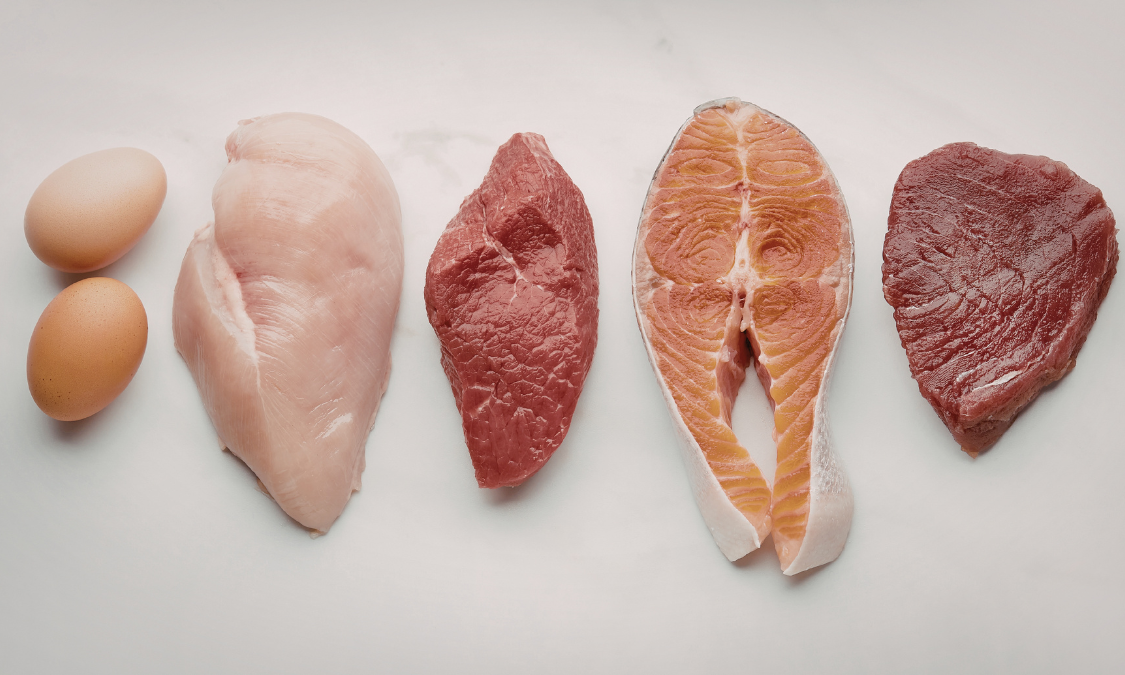
Many African women eat filling meals every day, yet still struggle with fatigue, intense PMS, irregular cycles, stubborn weight gain, or slow postpartum recovery. Often, the missing piece is protein. Specifically, we are not eating enough protein-rich African foods to properly support hormonal balance.
Hormones are made from building blocks. Your body uses amino acids from protein to produce and regulate estrogen, progesterone, insulin, cortisol, and thyroid hormones. If protein intake is too low, your body prioritises survival functions and hormone regulation can suffer. So this is not about dieting. It is about giving your body what it needs to function properly.
Below are five protein-rich African foods that support hormonal balance and that you can realistically include in your weekly meals.
1. Eggs
Eggs are one of the most efficient protein sources available. They contain complete protein, meaning they provide all essential amino acids your body cannot produce on its own. These amino acids are required to produce reproductive hormones and enzymes involved in hormone regulation.
In addition, eggs contain choline, which supports liver function. Your liver helps metabolize and clear excess estrogen. When the liver does not function optimally, estrogen can accumulate and contribute to symptoms such as heavy periods, bloating, and breast tenderness.
If breakfast is usually tea and bread, protein intake starts low and blood sugar rises quickly. Instead, adding eggs in the morning improves satiety, stabilizes blood sugar, and supports hormone production throughout the day.
2. Catfish, Tilapia, and Mackerel
Fish is one of the most practical protein-rich African foods for hormone health. It provides high-quality protein and, in the case of fatty fish like mackerel, omega-3 fatty acids.
Omega-3 fats reduce inflammation. Chronic inflammation can disrupt ovulation, worsen menstrual pain, and interfere with insulin sensitivity. Therefore, including fish regularly supports both reproductive and metabolic hormones.
Catfish pepper soup, grilled tilapia, or baked mackerel are simple ways to increase protein intake without relying heavily on processed foods. Aim for fish at least two to three times per week.
3. Beans and Black-Eyed Peas
Beans are a staple across many African households. They provide plant-based protein and are also rich in fiber. Fiber plays a key role in hormonal balance because it helps the body eliminate excess estrogen through the digestive system.
When fiber intake is low, estrogen can recirculate in the body. Over time, this may contribute to symptoms such as severe PMS, heavy bleeding, and hormonal acne.
However, portion size matters. A small scoop of beans beside a large serving of rice does not provide enough protein to significantly support hormone production. Instead, build meals where beans are a central protein source. Combine them with vegetables and, when possible, another protein like fish to improve overall amino acid balance.
Among protein-rich African foods, beans remain one of the most affordable and accessible options.
4. Lean Goat Meat or Beef
Red meat provides complete protein along with iron and zinc. Iron is especially important for women who menstruate. Monthly blood loss increases iron requirements, and low iron can worsen fatigue, reduce exercise tolerance, and affect ovulation.
Zinc also plays a role in hormone production and immune function. Without adequate zinc, progesterone balance may be affected.
The key is choosing lean cuts and controlling preparation methods. Trim visible fat and avoid excessive oil. When consumed in moderation, lean goat meat or beef can be a valuable addition to protein-rich African foods that support hormonal balance.
5. Lentils and Chickpeas
Lentils and chickpeas are not traditional in every region, but they are increasingly available and easy to incorporate into stews and soups. They provide plant protein, fiber, and minerals that support metabolic health.
Stable blood sugar is critical for hormonal balance. When meals lack sufficient protein, blood sugar spikes and crashes. This pattern increases insulin fluctuations, which can disrupt ovarian function and contribute to weight gain around the abdomen.
By adding lentils or chickpeas to meals, you increase protein intake and improve blood sugar control. Over time, this supports more stable insulin and cortisol levels.
What Happens When You Do Not Eat Enough Protein
When protein intake stays low, your body adapts. However, that adaptation comes at a cost.
You may experience:
- Irregular or painful cycles
- Increased PMS symptoms
- Fatigue that does not improve with rest
- Hair thinning
- Slower postpartum recovery
- Increased cravings and unstable blood sugar
Most hormone conversations focus on supplements, detoxes, or medication. Very few start with daily protein intake.
If your meals are mostly carbohydrates with small portions of protein, that is the first place to look. Adjust the balance and see the improvement in your hormonal balance.
Protein and Hormonal Balance: What You Need to Know
Most women need about 1.0 to 1.2 grams of protein per kilogram of body weight daily. Active women or those recovering postpartum may require more.
Yes. Low protein intake can affect hormone production because the body uses amino acids from protein to build and regulate key hormones.
Eggs, fish such as mackerel and catfish, beans, lentils, chickpeas, and lean goat meat or beef are strong protein-rich African foods that support hormonal balance.
Adequate protein supports blood sugar stability and hormone production, which may reduce PMS symptoms and improve cycle regularity over time.
