
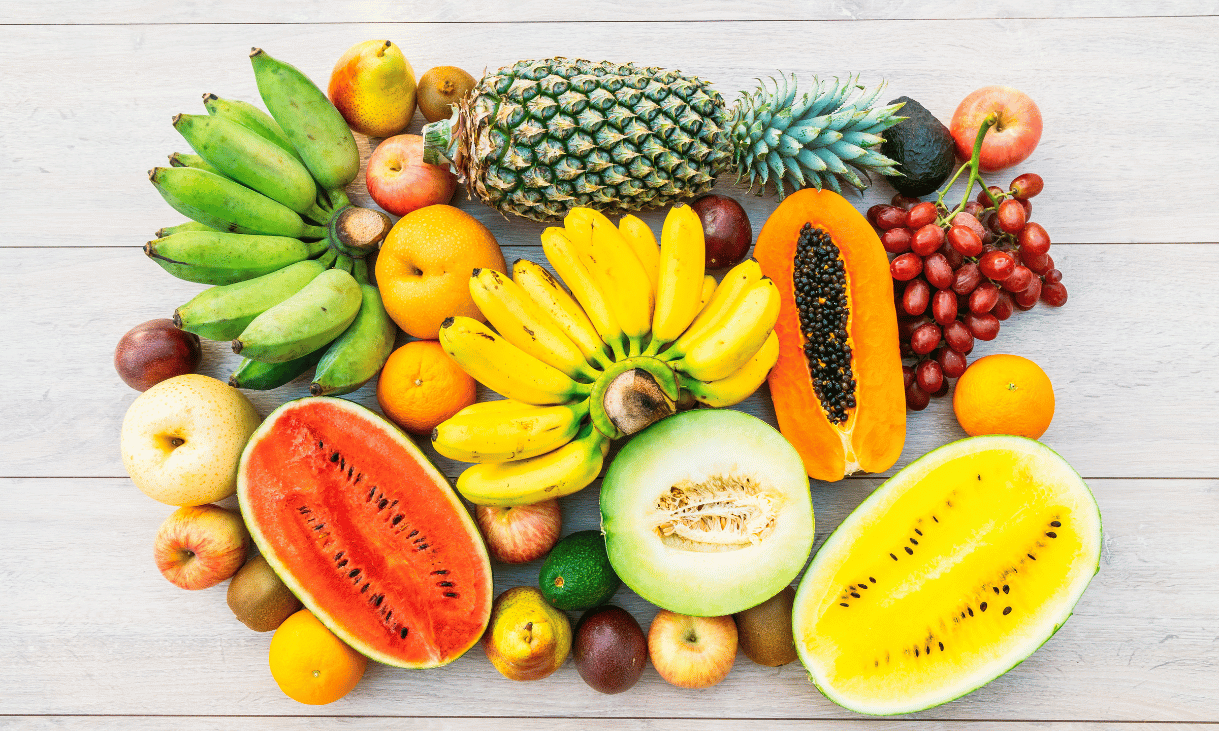
Good nutrition starts with understanding what is on your plate. Across the continent, there are plenty of African foods rich in vitamins and minerals that can give your body the nutrients it needs to support energy, immunity, healthy muscles, strong bones and normal brain function. From everyday staples to fruits, vegetables, fish, eggs, nuts and legumes, these foods can contribute much more to your diet than simply keeping you full.
The interesting part is that you do not need to completely change the way you eat to benefit from them. You first need to know what your body needs, where to find it and why getting enough matters.
What Do Vitamins and Minerals Do for Your Body?
Your body is constantly carrying out processes that keep you going. It turns food into energy, builds and repairs cells, produces blood, sends messages between your brain and body, supports your immune response and maintains your bones, muscles and tissues.
Vitamins and minerals help these processes happen properly. They work alongside other nutrients, enzymes and hormones to keep different systems functioning as they should.
They also help your body make use of the food you eat. The carbohydrates, proteins and fats in your meals provide energy and building materials, while micronutrients help the body process and use them effectively.
Dr. Kofi Aboagye, a medical doctor in Ghana, explains:
“Vitamins and minerals are essential micronutrients that support nearly every vital function in the body, from energy metabolism and immune defense to growth and tissue repair. Although required only in small amounts, inadequate intake can impair normal physiological processes and contribute to illness and poor health. A balanced, nutrient-rich diet is therefore fundamental to ensuring the body receives the vitamins and minerals it needs to function optimally.”
Some Vitamins and Minerals Your Body Needs and Where to Find Them
Your body needs many different vitamins and minerals, and each one has a different job. Here are some of the key ones, what they do in simple terms and the foods that can help you get them.
Iron
Think of iron as part of your body’s oxygen delivery system. Your body uses iron to make haemoglobin, a protein in your red blood cells that carries oxygen from your lungs to the rest of your body. Your muscles also need iron to use oxygen properly.
When your body does not get enough iron over time, it can affect how much oxygen your blood can carry.
You can get iron from meat, fish, poultry, beans, lentils, peas, leafy green vegetables, nuts and seeds.
There is also a useful trick to know. Your body absorbs iron from animal foods more easily than the type found in plant foods. However, vitamin C can help your body absorb more plant-based iron. So, having a vitamin C-rich fruit or vegetable alongside beans or leafy greens can help your body make better use of the iron in your meal.
Vitamin B12
Vitamin B12 helps keep your blood cells and nerve cells healthy. It also helps your body make DNA, which carries the instructions your cells need to function and reproduce.
B12 is naturally found mainly in animal foods, including fish, meat, poultry, eggs and dairy products. Plant foods do not naturally provide B12 unless they have been fortified.
This is particularly important if you eat little or no animal food. In that case, you need to pay attention to fortified foods or other reliable sources of B12.
Folate
Folate helps your body make DNA and produce new cells. This makes it especially important when your body is growing or producing cells quickly.
You can get folate from beans, peas, leafy green vegetables, nuts and some fruits. Eating a variety of these foods can help you get folate as part of your regular diet.
Magnesium
Magnesium helps your muscles contract and relax and helps your nerves send signals around your body. It is also involved in hundreds of other chemical reactions, including processes that help your body produce energy and build proteins.
Good sources include leafy green vegetables, legumes, nuts, seeds and whole grains.
One detail that is easy to miss is that processing can affect the amount of magnesium in some foods. Whole grains generally retain more of their magnesium than highly refined grains.
Vitamin C
Vitamin C helps your immune system function normally and is needed to make collagen, a protein that helps maintain your skin, blood vessels, bones and other tissues.
It also has another important job. Vitamin C helps your body absorb the type of iron found in plant foods.
Fruits and vegetables are some of the best sources. Citrus fruits, peppers and tomatoes can all provide vitamin C.
Vitamin C can be reduced by prolonged cooking and storage, so some fruits and vegetables may provide more when eaten fresh or prepared with shorter cooking times.
Vitamin D
Vitamin D helps your body absorb calcium, which is important for maintaining strong bones. It also supports normal muscle and immune function.
Fatty fish are among the better natural food sources of vitamin D. Smaller amounts can be found in foods such as egg yolks and liver, while some fortified foods provide additional vitamin D.
Your body can also make vitamin D when your skin is exposed to sunlight. However, the amount your body produces can vary depending on factors such as skin exposure, time of day, season and location.
Zinc
Zinc helps your immune system function normally. It also helps your body make proteins and DNA and supports wound healing, growth and development.
You can get zinc from meat, fish, seafood, eggs, dairy products, beans, nuts and whole grains.
Potassium
Potassium helps your cells work normally and plays an important role in muscle contraction and nerve signals. Your heart is a muscle too, which makes maintaining healthy potassium levels important.
Fruits, vegetables, legumes, nuts, potatoes, fish, meat and dairy products can all provide potassium.
These are only some of the vitamins and minerals your body needs, but they show how different nutrients support different parts of your body. They also show why eating a variety of African foods rich in vitamins and minerals can help you get a broader mix of nutrients from your everyday diet.
Why Are Vitamins and Minerals Necessary?
Knowing what these nutrients do is useful, but getting enough of them matters for several reasons.
They support your everyday body functions. Your body needs micronutrients to keep processes such as energy production, blood formation, nerve function, muscle activity and immune function running normally.
Your body cannot make every vitamin it needs. Some vitamins must come from food, while others can be produced by the body under certain conditions. Minerals are elements that your body cannot create, so you must obtain them through food or other sources.
Your needs continue throughout life. Your body requires different amounts of nutrients at different stages. Pregnancy, breastfeeding, ageing and certain dietary patterns can change nutritional needs.
Not getting enough over time can cause problems. Prolonged shortages of particular nutrients can lead to deficiency. For example, insufficient iron can contribute to iron-deficiency anaemia, while inadequate vitamin B12 can affect healthy blood and nerve function.
Making the Most of African Foods Rich in Vitamins and Minerals
You do not need to completely rethink your diet to get more vitamins and minerals. Start with the foods you already eat and look for opportunities to add variety.
Include different vegetables and fruits throughout the week. Make room for beans and other legumes. Add fish, eggs, nuts and seeds where they fit into your usual meals.
It also helps to think beyond individual nutrients. African foods rich in vitamins and minerals can provide a wider range of nutrients because many foods contain several vitamins and minerals at the same time.
The next time you think about what to eat, look beyond how filling the meal will be. Think about what it can give your body too.
