
Most skincare conversations begin with products. Which cleanser should I use? Is vitamin C worth it? What’s the best moisturiser for my skin type? Those questions matter, but they leave out something just as important. Food plays a bigger role in your skin’s health than many people realise, and some of the best African foods for healthy skin are ingredients you already have in your kitchen.
These foods provide nutrients that help your skin repair itself, strengthen its natural barrier and maintain a healthy glow. The way you prepare them matters too, because cooking methods can affect how much of those nutrients your body actually gets.
To understand why that matters, it helps to first look at how your diet influences your skin from the inside out.
Why Your Diet Matters for Healthy Skin
Your skin is your body’s largest organ, and it’s constantly at work. Every day, it protects you from pollution, harmful microorganisms and changes in the environment while shedding old skin cells and producing new ones. To do all of that well, it needs a steady supply of nutrients, which is why what you eat can have a real impact on how your skin looks and functions.
Think of your skin as a house that’s always under maintenance. Every day, your body repairs tiny areas of damage caused by sunlight, pollution, stress and normal wear and tear. To do that effectively, it needs the right building materials.
Some of the most important nutrients for healthy skin include:
- Vitamin C, which supports collagen production and helps keep skin firm and resilient.
- Vitamin A, which encourages healthy skin cell turnover and supports a strong skin barrier.
- Healthy fats, which help your skin retain moisture and reduce dryness by strengthening its natural protective barrier.
- Omega 3 fatty acids, which help regulate inflammation and support overall skin health.
- Zinc, which plays an important role in skin repair and wound healing.
- Protein, which provides the building blocks your body needs to create new skin cells.
The Best African Foods for Healthy Skin
There isn’t one food that will magically clear your skin or give you an overnight glow. Healthy skin is the result of consistently giving your body the nutrients it needs to function at its best. Fortunately, many African foods for healthy skin provide those nutrients naturally. Let’s look at some of the best options and why they deserve a place on your plate.
Leafy Greens That Support Skin Renewal
Dark green vegetables such as ugu (fluted pumpkin leaves), spinach, moringa and amaranth leaves are packed with nutrients that support healthy skin.
These vegetables provide vitamin A, which helps skin cells renew themselves, and vitamin C, which supports collagen production. They also contain antioxidants that help protect skin from everyday environmental stress.
Sweet Potatoes for Vitamin A
Sweet potatoes are one of the richest natural sources of beta carotene, which your body converts into vitamin A.
Vitamin A helps maintain healthy skin by supporting normal cell turnover. It also contributes to a stronger skin barrier, which helps prevent excessive dryness.
Roasted, boiled or lightly mashed sweet potatoes all make excellent additions to balanced meals.
Tomatoes That Do More Than Add Flavour
Tomatoes deserve a special mention because they provide both vitamin C and lycopene.
Vitamin C supports collagen formation, while lycopene acts as an antioxidant that helps protect skin cells from oxidative damage. Interestingly, lightly cooking tomatoes can increase the amount of lycopene your body absorbs.
Adding fresh tomatoes to salads and using cooked tomatoes in soups or stews gives you the best of both worlds.
Healthy Fats That Keep Skin Comfortable
Dry, tight skin sometimes has less to do with moisturiser and more to do with your skin barrier.
Healthy fats help strengthen that barrier, making it easier for your skin to retain moisture.
Avocados, groundnuts, sesame seeds and coconuts all contain beneficial fats that support healthy skin. Instead of fearing fats altogether, focus on choosing healthier sources and enjoying them in reasonable portions.
Oily Fish Rich in Omega 3
Fish such as sardines and mackerel provide omega 3 fatty acids, which help regulate normal inflammatory processes throughout the body.
Omega 3 fats also support the skin barrier and may help reduce excessive dryness. Better still, these fish are often more affordable than people expect, making them practical additions to many households.
Grilling, baking or lightly steaming fish usually preserves more of its nutritional value than deep frying.
Beans and Legumes for Skin Repair
Beans, black-eyed peas and other legumes provide protein and zinc, two nutrients that play important roles in skin repair.
Protein supplies the building blocks your body needs to produce new skin cells, while zinc supports wound healing and helps maintain healthy skin function.
If you regularly skip beans because they seem too simple, it may be worth giving them another look. Sometimes the foods we’ve eaten for years quietly provide exactly what our bodies need.
Fruits That Bring More Than Sweetness
Guava, oranges, pawpaw, mangoes and watermelon all contribute valuable vitamins and antioxidants.
Guava is particularly impressive because it contains exceptionally high levels of vitamin C. Mangoes provide beta carotene, while watermelon contributes water that supports overall hydration.
Eating a variety of fruits gives your skin access to a wider range of nutrients than relying on one favourite fruit every day.
Your Cooking Habits Matter More Than You Think
Choosing nutritious foods is only part of the story. The way you prepare these African foods for healthy skin can influence how much of their nutritional value your body actually gets.
Reusing Cooking Oil
In many homes, cooking oil is reused to save money or reduce waste. Although this is a common practice, repeatedly heating oil changes its chemical structure. As oil breaks down, it forms compounds that can increase oxidative stress in the body.
Oxidative stress happens when harmful molecules called free radicals outnumber your body’s natural defences. Over time, this imbalance may contribute to inflammation, which can affect many parts of the body, including the skin. While reused oil alone does not cause acne or other skin conditions, limiting how often you reuse cooking oil can support better overall health.
Overcooking Vegetables
Many vegetables contain vitamins that are sensitive to heat. Vitamin C, for example, begins to break down when exposed to high temperatures for long periods.
That doesn’t mean you should eat everything raw. Some nutrients actually become easier for your body to absorb after cooking. Tomatoes are a good example because cooking increases the availability of lycopene, a powerful antioxidant. The key is balance. Light steaming, quick stir-frying or cooking vegetables just until tender often helps preserve more nutrients than prolonged boiling.
Deep Frying Too Often
Deep frying gives food a satisfying crunch, but relying on it too often can reduce the nutritional quality of your meals. High cooking temperatures can break down some beneficial nutrients, and fried foods tend to absorb more oil, adding extra fat and calories.
Enjoying fried foods occasionally is perfectly fine, but mixing in cooking methods such as grilling, baking, steaming or light sautéing can help you get more nutritional value from the foods you eat while supporting your overall health.
Depending Too Much on Seasoning Cubes
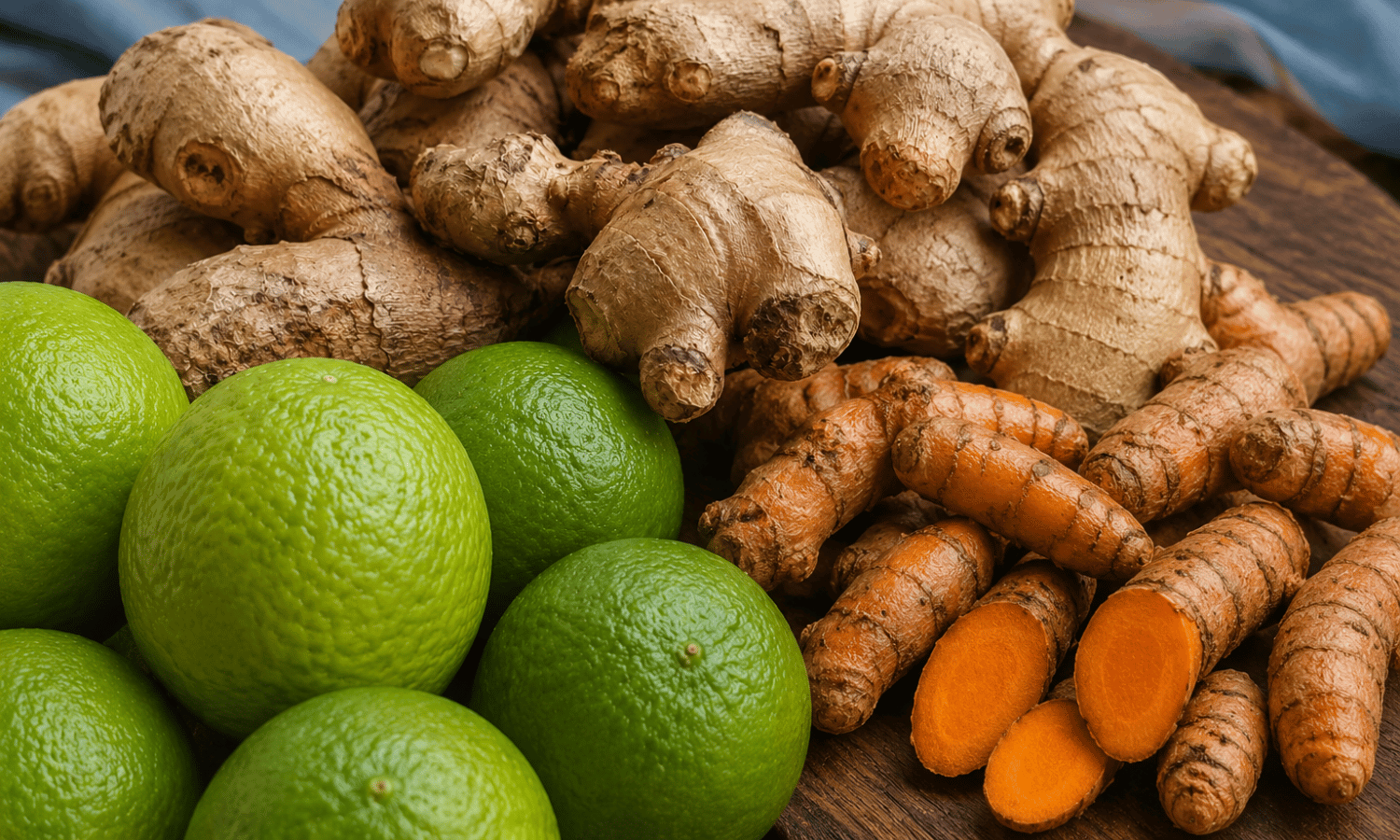
Seasoning cubes are a convenient way to add flavour, but they shouldn’t be the only source of flavour in your cooking. Fresh herbs and spices such as scent leaf, parsley, basil, garlic, ginger and turmeric do more than enhance taste. They also provide plant compounds and antioxidants that support overall health.
Using a combination of fresh herbs and spices can make your meals more nutritious without sacrificing flavour.
Eating Too Many Ultra Processed Foods
Convenience foods have become part of everyday life. Instant noodles, sugary drinks, packaged snacks and highly processed pastries are quick and satisfying, especially during busy weeks. The challenge is that many of these foods provide plenty of calories but relatively few nutrients.
When ultra processed foods regularly replace fruits, vegetables, legumes and whole foods, your skin receives fewer of the vitamins, minerals and healthy fats it needs to stay resilient. Over time, that nutritional gap can make it harder for your body to support healthy skin.
Support Your Skin Beyond the Kitchen
Eating African foods for healthy skin is only part of the picture. Your skin responds to everything happening in your body, which means your daily habits matter just as much as what’s on your plate.
Quality sleep gives your body time to repair damaged skin cells and produce collagen. Drinking enough water helps your skin function normally, even though hydration alone won’t erase dry skin. Managing stress is equally important because prolonged stress can influence hormones that affect your skin. And while nourishing your skin from within matters, protecting it from the outside is just as important. A good skincare routine, wearing sunscreen and limiting excessive sun exposure help reduce damage caused by UV rays.
Healthy skin isn’t built by one food, one product or one habit. It’s the result of small choices you make consistently, from the meals you eat to the way you sleep, move and care for your skin every day.
