
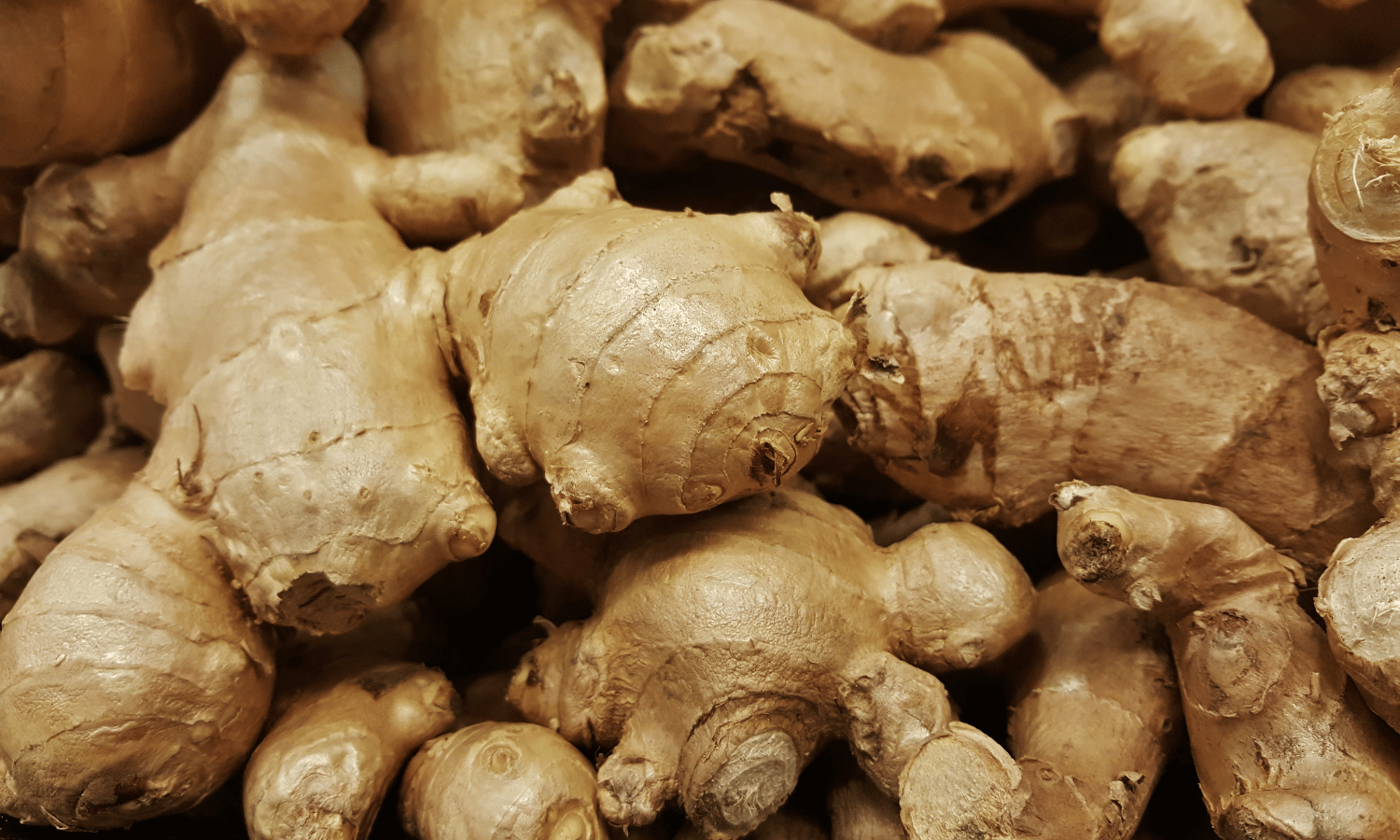
You have probably reached for ginger without giving it much thought. Maybe you added it to a pot of soup, brewed it into tea when you were feeling under the weather, or mixed it into a smoothie because someone said it was “good for you.” Most of us use ginger out of habit, not because we know what it actually does. The truth is, the health benefits of ginger go far beyond adding flavour to your meals.
While ginger is not a cure-all, the growing body of research around it shows that it deserves far more credit than it usually gets. Once you understand how it works, you might start seeing it as more than just another ingredient in your kitchen.
What Makes Ginger So Good for Your Health?
Much of ginger’s power comes from three natural compounds: gingerol, shogaol, and zingerone.
Gingerol is the main active compound in fresh ginger. It is responsible for much of ginger’s anti-inflammatory and antioxidant activity. When ginger is dried or cooked, some of the gingerol converts into shogaol, another compound that has been linked to digestive support. Zingerone develops during cooking and contributes additional antioxidant properties.
Together, these compounds explain many of the health benefits of ginger that scientists continue to study. Rather than targeting just one part of the body, they work in different ways to support overall health, which is why ginger has remained an important part of traditional diets and natural medicine across many cultures.
Ginger May Help Ease Menstrual Cramps
Among all the health benefits of ginger, this is one of the best researched.
Menstrual cramps occur because the body produces hormone-like substances called prostaglandins. High levels of prostaglandins cause the muscles of the uterus to contract more forcefully, leading to pain and discomfort.
Research suggests ginger may help reduce the production of these compounds, making cramps less severe for many women. Several clinical studies have even found ginger to be effective at reducing menstrual pain when taken during the first few days of a period.
That does not mean ginger should replace medical advice or prescribed treatment. However, if you experience mild to moderate menstrual cramps, adding ginger to your routine may offer some welcome relief.
Ginger Supports Healthy Digestion
Have you ever noticed that a cup of ginger tea after a heavy meal leaves you feeling lighter? There is a reason for that.
Another well-known health benefit of ginger is its ability to support digestion. Ginger helps food move through the stomach more efficiently, which may reduce feelings of fullness, bloating, and indigestion after eating.
It may also help soothe occasional stomach discomfort, making it a popular home remedy in many parts of the world.
Ginger Helps Fight Inflammation
Inflammation is the body’s natural way of responding to injury or infection. The problem starts when that inflammation becomes long lasting. Over time, chronic inflammation has been linked to conditions such as arthritis, heart disease, and type 2 diabetes.
This is where ginger stands out.
The natural compounds found in ginger may help reduce inflammatory activity throughout the body. That is one of the reasons it continues to attract attention from researchers.
Ginger Is Rich in Antioxidants
Every day, your body produces unstable molecules called free radicals. They are created naturally, but pollution, stress, smoking, and poor eating habits can increase their numbers.
When free radicals build up, they create oxidative stress, which can damage healthy cells over time.
Fortunately, one of the lesser-known health benefits of ginger is its rich antioxidant content. Antioxidants help neutralise free radicals, giving your cells extra protection against everyday wear and tear.
No single food can stop ageing or prevent disease. However, regularly eating antioxidant-rich foods like ginger can contribute to better long-term health as part of a balanced lifestyle.
Ginger May Support Heart Health
Looking after your heart involves many everyday choices, including staying active, eating well, managing stress, and getting enough sleep. Ginger may also play a small supporting role.
Some studies suggest ginger may help support healthy blood circulation and contribute to maintaining normal cholesterol and blood sugar levels when combined with a healthy lifestyle. While researchers are still studying these effects, the early findings are encouraging.
Instead of thinking of ginger as a quick fix, it is better to see it as one of many healthy habits that work together over time.
Easy Ways to Add Ginger to Your Diet
One of the best things about ginger is how easy it is to use.
You can grate fresh ginger into soups, stir-fries, curries, or sauces for extra flavour. Fresh ginger also works well in smoothies, while ground ginger adds warmth to oats, muffins, and homemade snacks.
If you enjoy tea, simply steep a few slices of fresh ginger in hot water for about ten minutes. Many people also enjoy warm ginger tea when they have a sore throat or are feeling under the weather. The warmth and ginger’s anti-inflammatory properties may help soothe discomfort.
A Few Things to Keep in Mind
Although the health benefits of ginger are impressive, more is not always better.
Eating large amounts of ginger may cause heartburn, stomach discomfort, or mild digestive upset in some people. If you take blood-thinning medication, it is also important to speak with your healthcare provider before significantly increasing your ginger intake because ginger may affect blood clotting.
As with most healthy foods, ginger works best as part of a balanced diet and lifestyle. It is there to support your wellbeing, not replace professional medical advice or treatment.
So, Should You Keep Ginger Close?
After looking at the evidence, the answer is yes.
The health benefits of ginger are backed by far more than tradition. On top of that, it is affordable, easy to find and simple to include in everyday meals.
That said, ginger is not a miracle ingredient, and it should never be treated like one. The biggest benefits often come from the small habits you stick with over time. Adding fresh ginger to your cooking, enjoying a cup of ginger tea, or using it regularly in your meals may seem like a small change, but those small choices can add up.
This article is for information purposes only and must not be substituted for professional advice.
