
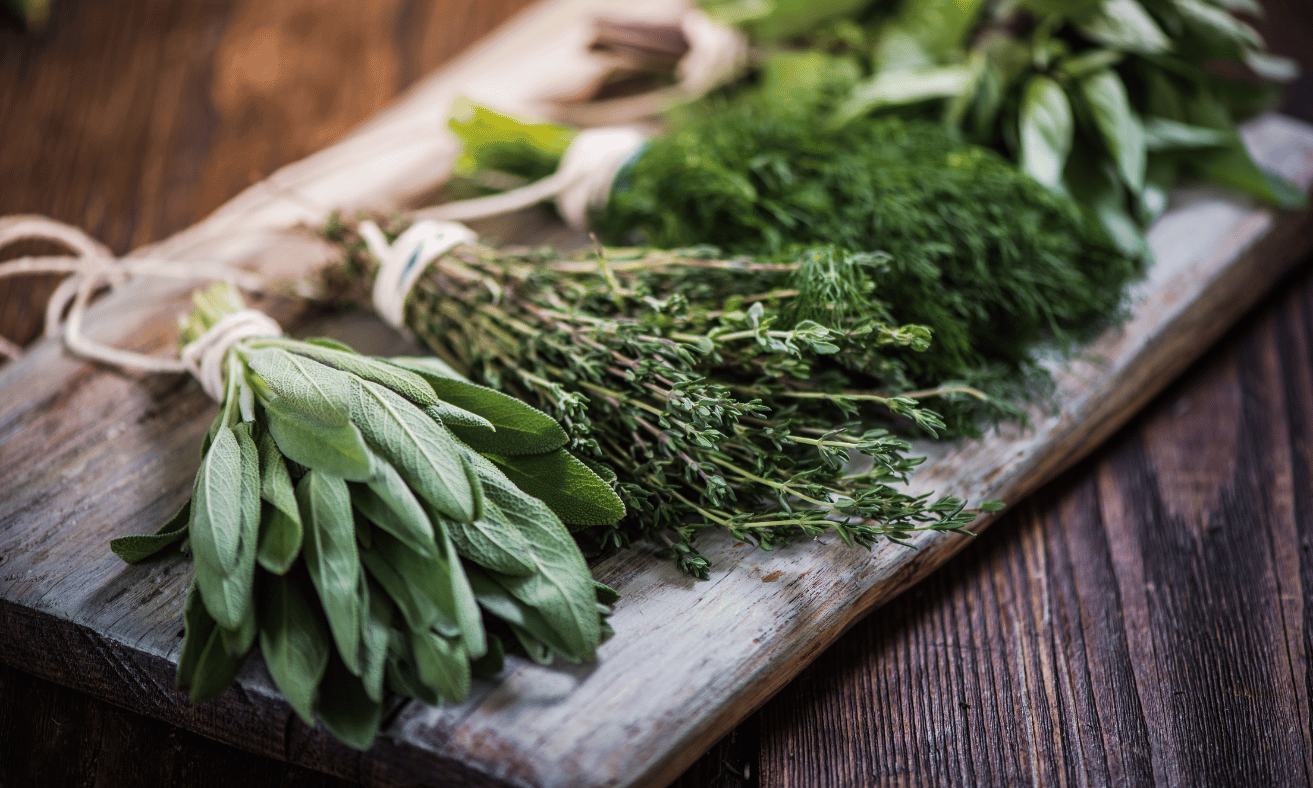
For generations, African communities have turned to plants and herbs as part of everyday wellness. Some were brewed into teas, some found their way into soups and stews, and others were used in traditional remedies passed from one generation to another. Today, as more people look for gentler ways to manage everyday stress, herbs for stress relief are worth taking another look at.
So, what can these herbs actually do? We take a closer look at some of the plants used in African wellness traditions, what research says about their potential benefits and how they might fit into a routine that gives you a little more room to slow down.
Can Herbs Help With Stress?
Stress has a way of showing up everywhere. You might notice that you are sleeping poorly, snapping at people more than usual or carrying tension in your shoulders without even realizing it. Sometimes, your body feels tired while your mind is still very much awake.
That is partly because stress affects more than your mood. Your body responds to pressure by releasing hormones that help you deal with immediate demands. When that pressure becomes constant, however, finding ways to support rest and recovery becomes important.
This is where herbs for stress relief can have a place in a wellness routine. Some plants have been traditionally used for relaxation, while others contain compounds that researchers are studying for their antioxidant, anti-inflammatory or other biological effects.
With that in mind, here are seven familiar plants worth knowing.
1. Lemongrass
Lemongrass contains citral and geraniol, natural compounds responsible for its fresh citrus aroma. These compounds have antioxidant and antimicrobial properties, and lemongrass has traditionally been used as a soothing herbal drink.
Its fresh aroma also makes it a natural fit for moments when you want to slow down. A warm cup of lemongrass tea in the evening can become part of your wind-down routine, especially when you want something light and caffeine-free.
2. African Basil
African basil, commonly known as scent leaf or efirin, contains compounds such as eugenol, thymol and flavonoids. These compounds give the plant its antioxidant and anti-inflammatory properties.
Scent leaf has long been used in African cooking and traditional wellness practices. It is commonly added to soups, pepper soup and herbal preparations, making it one of those plants that sits naturally between food and traditional medicine.
Its aromatic quality also makes it a comforting addition to a warm herbal drink when you want to create a slower evening routine.
3. Hibiscus
Hibiscus contains anthocyanins, polyphenols and organic acids, which give the plant its deep red colour and antioxidant properties.
The plant is particularly well known for its antioxidant activity and its role in supporting cardiovascular health. It is also naturally caffeine-free, making it a good alternative to coffee or caffeinated tea when you are trying to wind down.
4. Moringa
Moringa leaves contain vitamins, minerals, flavonoids and phenolic compounds, giving the plant a strong nutritional profile alongside its antioxidant and anti-inflammatory properties.
The leaves contain nutrients including vitamin A, vitamin C, calcium, iron and potassium. That makes moringa useful for supporting general nutrition, particularly when added to an otherwise balanced diet.
During stressful periods, eating well can easily become one of the first things we neglect, so adding nutrient-rich foods to your meals is a simple way to keep your wellbeing on the list.
5. Ginger
Ginger contains gingerols and shogaols, compounds responsible for much of its characteristic flavour and biological activity. They have antioxidant and anti-inflammatory properties and are particularly well known for supporting digestion and easing nausea.
That makes ginger useful when stress leaves your stomach feeling unsettled or your appetite out of sync. A warm cup of ginger tea can also be a comforting way to end the day.
Fresh ginger is easy to add to tea, soups, meals and homemade drinks. You do not need much to get its distinctive flavour, so start small if you are not used to its heat.
6. Rooibos
Rooibos contains polyphenols such as aspalathin and quercetin, which give it antioxidant properties. Unlike black tea and many other popular tea varieties, rooibos is naturally caffeine-free.
That makes it especially useful when you want something warm to drink later in the day without adding caffeine to your system. You can enjoy it plain or with a little milk, depending on how you like your tea.
Making Herbs Part of Your Wind-Down Routine
The interesting thing about herbs for stress relief is that the ritual around them may matter just as much as the drink itself.
Think about what happens when you make a cup of tea. You boil the water, prepare your cup and, ideally, sit down for a few minutes. That small pause can become a useful boundary between doing and resting.
You can make the ritual work harder by keeping your phone away while you drink it, lowering the lights or doing a few gentle stretches before bed. If you are having hibiscus or rooibos, you could make it your replacement for the caffeinated drink you normally reach for at night.
The point is not to find one herb that will make stress disappear. Instead, it is to build small habits that make slowing down easier.
A Little Caution Goes a Long Way
Before adding herbs for stress relief to your routine, remember that plants can contain powerful compounds. Some herbs can interact with medication, while certain concentrated extracts may have effects that are very different from using the same plant as a food or mild tea.
If you are pregnant or breastfeeding, take regular medication, have an existing health condition or want to use an herb in concentrated amounts, speak with a qualified healthcare professional first.
Most importantly, know when an herbal tea is not enough. If stress is persistent, affects your sleep or makes it difficult to work, maintain relationships or get through your usual day, it may be time to seek professional support.
There is nothing wrong with wanting a gentler way to unwind. Sometimes that can start with a warm drink and ten quiet minutes at the end of a long day. The important thing is to see these herbs as part of a bigger picture of wellbeing, not as a cure-all.
After all, taking care of yourself does not always have to be another thing to get right. Sometimes, it can simply mean giving yourself permission to slow down.
What to Know About Herbs for Stress Relief
Lemongrass, African basil, hibiscus, moringa, ginger and rooibos are commonly used in wellness routines.
Some herbs may support relaxation and can be included as part of a healthy stress-management routine.
Caffeine-free options such as rooibos and lemongrass tea can be suitable for a relaxing evening routine.
Yes. Caffeine-free herbal teas can be enjoyed before bed as part of a calming wind-down routine.
Not always. Some herbs can interact with medication, so speak with a healthcare professional if you have concerns.
No. Herbs may complement a wellness routine but should not be considered a cure for stress or anxiety.
